


This Book is Out of Stock!
English


Hardback
₹10207
₹13280
23.14% OFF
(All inclusive*)
Delivery Options
*COD & Shipping Charges may apply on certain items.
Review final details at checkout.
Looking to place a bulk order? SUBMIT DETAILS
*COD & Shipping Charges may apply on certain items.
Review final details at checkout.
₹10207
₹13280
23% OFF
Hardback
Out Of Stock
All inclusive*
About The Book
Description
Author
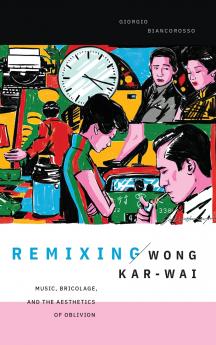
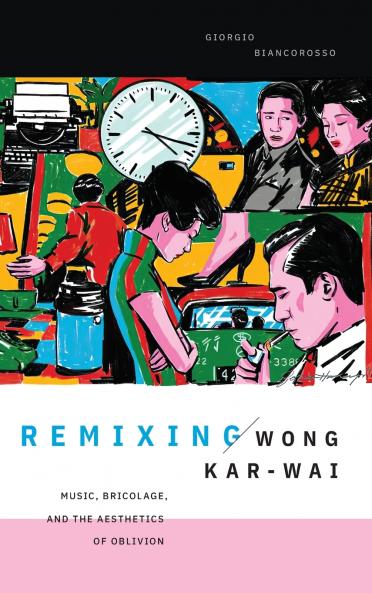
Like his fellow filmmakers Stanley Kubrick Quentin Tarantino and Sofia Coppola Wong Kar-wai crafts the soundtracks of his films by jettisoning original scores in favor of commercial recordings. In <i>Remixing Wong Kar-wai</i> Giorgio Biancorosso examines the combinatorial practice at the heart of Wong's cinema to retheorize musical borrowing appropriation and repurposing. Wong's irrepressible penchant for poaching music from other films-whether old Chinese melodramas Hollywood blockbusters or European art films-subsumes familiar music under his own brand of cinema. As Wong combs through musical and cinematic archives and splices disparate music together exceedingly well-known music loses its previous associations and acquires an infinite new constellation of meanings in his films. Drawing on Claude Lévi-Strauss's concept of bricolage Biancorosso contends that Wong's borrowing is akin to a practice of creative destruction in which Wong becomes a bricoleur who remixes music at hand to create new and complete self-sustaining statements. By outlining Wong's modus operandi of indiscriminate borrowing and remixing Biancorosso prompts readers to reconsider the significance of transforming preexisting music into new compositions for film and beyond.

Piracy-free

Assured Quality

Secure Transactions

Fast Delivery

Sustainably Printed
Details
ISBN 13
9781478026945
Publication Date
-07-01-2025
Pages
-240
Weight
-419 grams
Dimensions
-152x229x17.46 mm
