

English



₹203
₹250
18.8% OFF
(All inclusive*)
Paperback
Delivery Options
Please enter pincode to check delivery time.
*COD & Shipping Charges may apply on certain items.
Review final details at checkout.
Looking to place a bulk order? SUBMIT DETAILS
Delivery Options
Please enter pincode to check delivery time.
*COD & Shipping Charges may apply on certain items.
Review final details at checkout.
About The Book
Description
Author
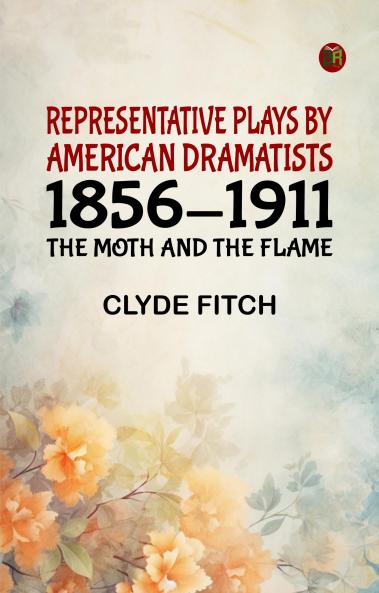
The play revolves around a complex romantic relationship between two characters: Rose a beautiful innocent young woman and Eugene a man of questionable character and a passionate suitor. Eugene who is emotionally and morally conflicted becomes consumed by his infatuation with Rose. The metaphor of the moth and flame captures the essence of their relationship—Eugene is irresistibly drawn to Rose's beauty and innocence much like a moth is to a flame yet his desire leads him toward self-destruction. As Eugene becomes more obsessive the play reveals the dangers of a love that is driven more by desire and obsession than by true affection or mutual respect. The title itself reflects the tragic nature of their relationship: Rose representing the flame is radiant and alluring but ultimately Eugene the moth is doomed by his inability to control his desires leading to a tragic end. The play explores the emotional consequences of unchecked passion drawing attention to the moral complexities of human relationships. The Moth and the Flame is a reflection on love’s darker sides—how attraction can spiral into obsession and lead to emotional ruin making it a notable example of early 20th-century American drama focused on social realism and emotional intensity.

Piracy-free

Assured Quality

Secure Transactions

Fast Delivery

Sustainably Printed
Details
ISBN 13
9789364544733
Publication Date
-10-01-2025
Pages
-59
Weight
-82 grams
Dimensions
-139.7x215.9x3.82 mm
