

English


Paperback
₹4113
₹5029
18.22% OFF
(All inclusive*)
Delivery Options
Please enter pincode to check delivery time.
*COD & Shipping Charges may apply on certain items.
Review final details at checkout.
Looking to place a bulk order? SUBMIT DETAILS
Delivery Options
Please enter pincode to check delivery time.
*COD & Shipping Charges may apply on certain items.
Review final details at checkout.
About The Book
Description
Author
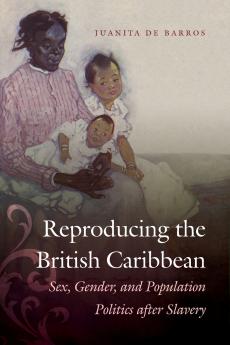
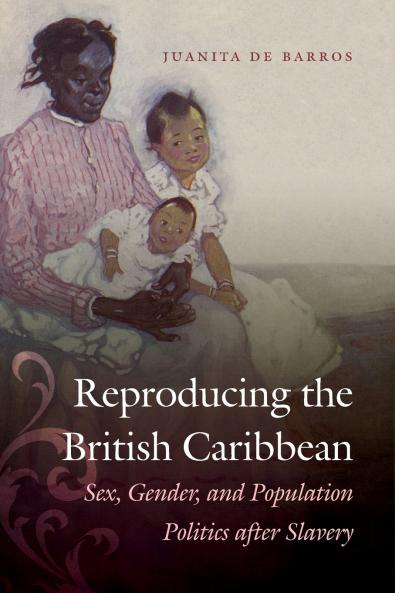
This innovative book traces the history of ideas and policymaking concerning population growth and infant and maternal welfare in Caribbean colonies wrestling with the aftermath of slavery. Focusing on Jamaica Guyana and Barbados from the nineteenth century through the 1930s when violent labor protests swept the region Juanita De Barros takes a comparative approach in analyzing the struggles among former slaves and masters attempting to determine the course of their societies after emancipation. <br/><br/>Invested in the success of the great experiment of slave emancipation colonial officials developed new social welfare and health policies. Concerns about the health and size of ex-slave populations were expressed throughout the colonial world during this period. In the Caribbean an emergent black middle class rapidly increasing immigration and new attitudes toward medicine and society were crucial factors. While hemispheric and diasporic trends influenced the new policies De Barros shows that local physicians philanthropists midwives and the impoverished mothers who were the targets of this official concern helped shape and implement efforts to ensure the health and reproduction of Caribbean populations in the decades before independence.

Piracy-free

Assured Quality

Secure Transactions

Fast Delivery

Sustainably Printed
Details
ISBN 13
9781469616056
Publication Date
-04-08-2014
Pages
-296
Weight
-424 grams
Dimensions
-156x234x16.9 mm
