

English


Paperback
₹8306
(All inclusive*)
Delivery Options
Please enter pincode to check delivery time.
*COD & Shipping Charges may apply on certain items.
Review final details at checkout.
Looking to place a bulk order? SUBMIT DETAILS
Delivery Options
Please enter pincode to check delivery time.
*COD & Shipping Charges may apply on certain items.
Review final details at checkout.
About The Book
Description
Author
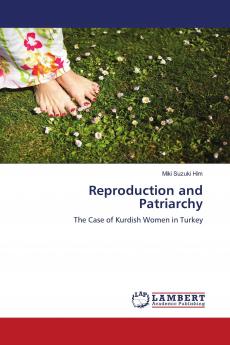
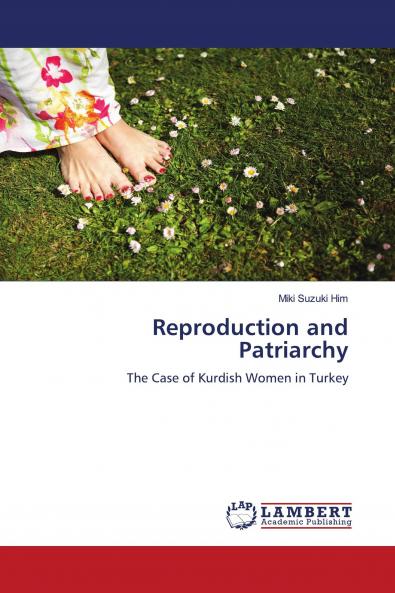
Over the last thirty years Turkey''s total fertility rate has declined significantly. Yet many provinces in eastern and south-eastern regions maintain much higher fertility levels than the national average. This regional inequality is often explained by culture due to the intensity of Kurdish-speaking population in the regions. However ?culture? is a problematic concept. When it is used in an apolitical manner culture can conceal unequal social relations in which reproductive behavior is embedded. This book challenges a cultural account from a feminist perspective and attempts to shed new light on social dynamics behind high fertility among Kurds in eastern Turkey. It examines the reproductive practices among Kurdish rural-urban migrant women and explicates a particular form of patriarchal organization of reproduction. This book should interest students of women''s studies sociology and anthropology.

Piracy-free

Assured Quality

Secure Transactions

Fast Delivery

Sustainably Printed
Details
ISBN 13
9783844310429
Publication Date
-07-03-2011
Pages
-332
Weight
-451 grams
Dimensions
-150x220x17.66 mm
