


English


Hardback
₹15781
₹20763
23.99% OFF
(All inclusive*)
Delivery Options
Please enter pincode to check delivery time.
*COD & Shipping Charges may apply on certain items.
Review final details at checkout.
Looking to place a bulk order? SUBMIT DETAILS

Piracy-free

Assured Quality

Secure Transactions
About The Book
Description
Author(s)
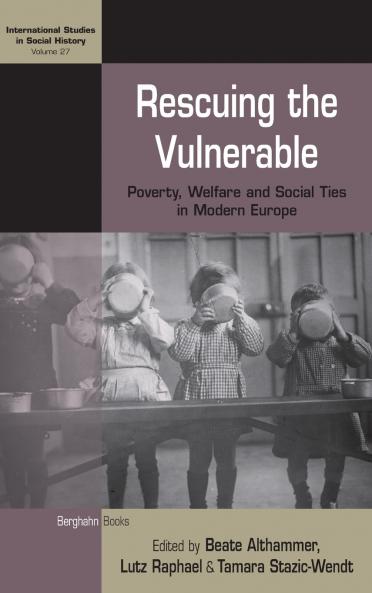
<p> In many ways the European welfare state constituted a response to the new forms of social fracture and economic turbulence that were born out of industrialization-challenges that were particularly acute for groups whose integration into society seemed the most tenuous. Covering a range of national cases this volume explores the relationship of weak social ties to poverty and how ideas about this relationship informed welfare policies in the nineteenth and twentieth centuries. By focusing on three representative populations-neglected children the homeless and the unemployed-it provides a rich comparative consideration of the shifting perceptions representations and lived experiences of social vulnerability in modern Europe.</p>
Piracy-free
Assured Quality
Secure Transactions
Delivery Options
Please enter pincode to check delivery time.
*COD & Shipping Charges may apply on certain items.
Review final details at checkout.
Details
ISBN 13
9781785331367
Publication Date
-01-05-2016
Pages
-438
Weight
-678 grams
Dimensions
-152x229x23.81 mm
