

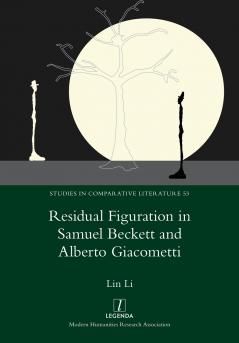
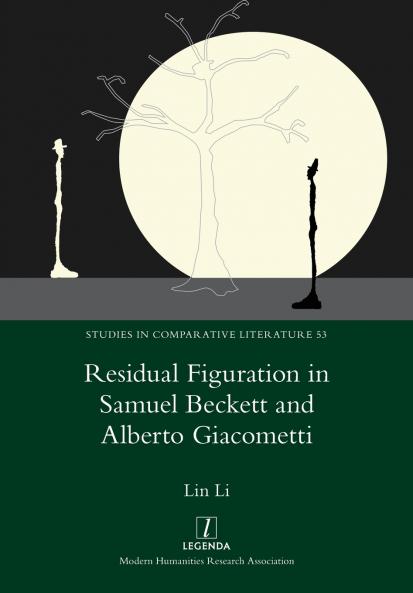
by
Lin Li
English


₹1452
₹1624
10.59% OFF
(All inclusive*)
Paperback
Delivery Options
Please enter pincode to check delivery time.
*COD & Shipping Charges may apply on certain items.
Review final details at checkout.
Looking to place a bulk order? SUBMIT DETAILS
Delivery Options
Please enter pincode to check delivery time.
*COD & Shipping Charges may apply on certain items.
Review final details at checkout.
About The Book
Description
Author
<p>In 1945 Swiss sculptor Alberto Giacometti (1901-1966) brought back to Paris six matchboxes filled with the work of his war years: minute figurines that crumbled upon a single touch. Around this time Irish playwright Samuel Beckett (1906-1989) began writing plays first <em>Eleutheria</em> and then <em>Waiting for Godot</em>. When they came together in 1961 to collaborate on a re-staging of Godot both had turned their attention to different types of figures: Giacometti to lanky attenuated figures that seem to erode into their environment and Beckett to increasingly disembodied characters such as Henry and Ada in <em>Embers</em>. What can we make of this turn in depicting figures that seem to make and unmake themselves in our processes of perceiving them? Through a close examination of Beckett's dramatic works and Giacometti's art Lin Li traces the development of this peculiar type of figuration and uncovers its implications on personhood rhetoric and inter-medial reading.</p><p>Lin Li is research associate at the University of Antwerp.</p><p></p>

Piracy-free

Assured Quality

Secure Transactions

Fast Delivery

Sustainably Printed
Details
ISBN 13
9781781886663
Publication Date
-16-06-2025
Pages
-128
Weight
-220 grams
Dimensions
-170x244x6.93 mm
