


English



Hardback
₹12205
₹15650
22.01% OFF
(All inclusive*)
Delivery Options
Please enter pincode to check delivery time.
*COD & Shipping Charges may apply on certain items.
Review final details at checkout.
Looking to place a bulk order? SUBMIT DETAILS
Delivery Options
Please enter pincode to check delivery time.
*COD & Shipping Charges may apply on certain items.
Review final details at checkout.
About The Book
Description
Author
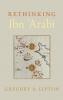
The thirteenth century mystic Ibn Arabi was the foremost Sufi theorist of the premodern era. For more than a century Western scholars and esotericists have heralded his universalism arguing that he saw all contemporaneous religions as equally valid. In<em> Rethinking Ibn Arabi</em> Gregory Lipton calls this image into question and throws into relief how Ibn Arabi's discourse is inseparably intertwined with the absolutist vision of his own religious milieu--that is the triumphant claim that Islam fulfilled superseded and therefore abrogated all previous revealed religions. <p/>Lipton juxtaposes Ibn Arabi's absolutist conception with the later reception of his ideas exploring how they have been read appropriated and universalized within the reigning interpretive field of Perennial Philosophy in the study of Sufism. The contours that surface through this comparative analysis trace the discursive practices that inform Ibn Arabi's Western reception back to the eighteenth and nineteenth century study of authentic religion where European ethno-racial superiority was wielded against the Semitic Other-both Jewish and Muslim. Lipton argues that supersessionist models of exclusivism are buried under contemporary Western constructions of religious authenticity in ways that ironically mirror Ibn Arabi's medieval absolutism.<br>

Piracy-free

Assured Quality

Secure Transactions
Details
ISBN 13
9780190684501
Publication Date
-01-05-2018
Pages
-302
Weight
-524 grams
Dimensions
-156x234x17.46 mm
