


This Book is Out of Stock!
English


Hardback
₹13321
(All inclusive*)
Delivery Options
*COD & Shipping Charges may apply on certain items.
Review final details at checkout.
Looking to place a bulk order? SUBMIT DETAILS

Piracy-free

Assured Quality

Secure Transactions
About The Book
Description
Author(s)
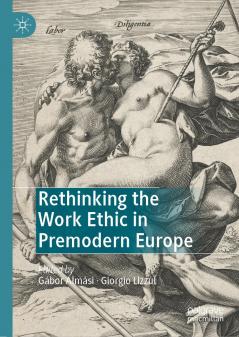
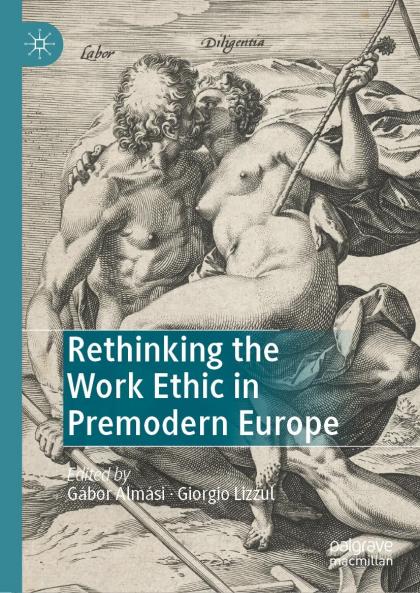
<p>This book investigates how work ethics in Europe were conceptualised from the Middle Ages to the nineteenth century. Through analysis of a range of discourses it focuses on the roles played by intellectuals in formulating communicating and contesting ideas about work and its ethical value. The book moves away from the idea of a singular Weberian work ethic as fundamental to modern notions of work and instead emphasises how different languages of work were harnessed for a variety of social intellectual religious economic political and ideological objectives. Rather than a singular work ethic that left a decisive mark on the development of Western culture and economy the volume stresses plurality. The essays draw on approaches from intellectual social and cultural history. They explore how why and in what contexts labour became an important and openly promoted value; who promoted or opposed hard work and for what reasons; and whether there was an early modern break with ancient and medieval discourses on work. These historicized visions of work ethics help enrich our understanding of present-day changing attitudes to work.<br></p><p></p>
Piracy-free
Assured Quality
Secure Transactions
*COD & Shipping Charges may apply on certain items.
Review final details at checkout.
₹13321
Out Of Stock
All inclusive*
Details
ISBN 13
9783031380914
Publication Date
-15-11-2023
Pages
-348
Weight
-499 grams
Dimensions
-148x210x19.88 mm
