

English


Paperback
₹2851
₹3199
10.88% OFF
(All inclusive*)
Delivery Options
Please enter pincode to check delivery time.
*COD & Shipping Charges may apply on certain items.
Review final details at checkout.
Looking to place a bulk order? SUBMIT DETAILS
Delivery Options
Please enter pincode to check delivery time.
*COD & Shipping Charges may apply on certain items.
Review final details at checkout.
About The Book
Description
Author(s)
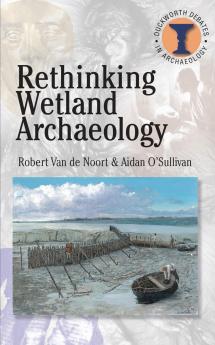
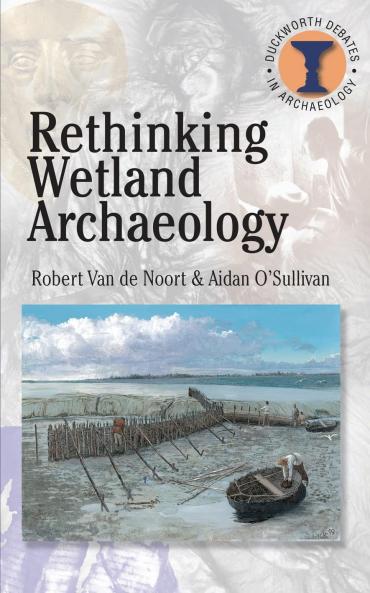
Wetland archaeology has provided some of the most exciting discoveries in world archaeology from bog bodies in northern Europe to prehistoric and medieval wetland dwellings in central and western Europe New Zealand Japan and the Pacific Northwest. Arguably however the amount of evidence from these sites and the need for intense multidisciplinary scientific analysis allied to a general tendency towards empiricist research has led to wetland archaeology being isolated from current theoretical debates. Rethinking Wetland Archaeology shows how wetland studies can be contextualised within broader geographical cultural and theoretical frameworks. It discusses how wetland archaeological discoveries can be understood in terms of past peoples perception and understanding of landscape which was not only a source of economic benefit but a storehouse of and a metaphor for cultural values and beliefs. It argues that archaeologists interested in the temporal rhythms of life and in cultural biographies of place and objects should look again at the astonishingly detailed narratives produced by wetland archaeology. Finally it considers the past and future role of wetland archaeologists in contemporary political and social discourses.

Piracy-free

Assured Quality

Secure Transactions

Fast Delivery

Sustainably Printed
Details
ISBN 13
9780715634387
Publication Date
-16-03-2006
Pages
-167
Weight
-205 grams
Dimensions
-139.7x215.9x9.23 mm
