


English



₹6128
₹7110
13.81% OFF
(All inclusive*)
Hardback
Delivery Options
Please enter pincode to check delivery time.
*COD & Shipping Charges may apply on certain items.
Review final details at checkout.
Looking to place a bulk order? SUBMIT DETAILS
Delivery Options
Please enter pincode to check delivery time.
*COD & Shipping Charges may apply on certain items.
Review final details at checkout.
About The Book
Description
Author
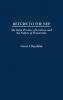
No scholar denies Mikhail S. Gorbachev's role in developing a new approach to Soviet socialism but most writers emphasize the radical departure from traditional Soviet ideology that <i>perestroika</i> seemed to represent. This work presents <i>perestroika</i> as part of the continuum of European intellectual history. It examines the sources of Gorbachev's thinking and action in 19th-century thought the development of Russian Marxism through the intellectual crisis at the turn of the 20th century the pragmatic and philosophical challenges to the Marxist-Leninist paradigm Stalinism and its critics and reform Communism in post World War II Eastern Europe. Against this background the book argues that the decline and fall of Soviet Communism was much more deeply connected with ideological issues than most scholars have realized.Bandelin presents fresh analyses of the impacts of major works and ideas such as Lenin's <i>Materialism and Empirio-Criticism</i> the neglected Marxian concept of the Asiatic mode of production and the underlying relationship of East European reform Communism to <i>perestroika</i>. He analyzes the major intellectual trends of <i>perestroika</i> in terms of these and other currents. This study offers a perspective that challenges most of current scholarship on the issues it raises suggests new avenues for research and contributes to a broader overall understanding of the problems of Soviet socialism and Gorbachev's effort to solve them.

Piracy-free

Assured Quality

Secure Transactions

Fast Delivery

Sustainably Printed
Details
ISBN 13
9780275977948
Publication Date
-30-12-2002
Pages
-187
Weight
-351 grams
Dimensions
-152x229x11.66 mm
