


English


Paperback
₹5984
₹6582
9.09% OFF
(All inclusive*)
Delivery Options
Please enter pincode to check delivery time.
*COD & Shipping Charges may apply on certain items.
Review final details at checkout.
Looking to place a bulk order? SUBMIT DETAILS

Piracy-free

Assured Quality

Secure Transactions
About The Book
Description
Author
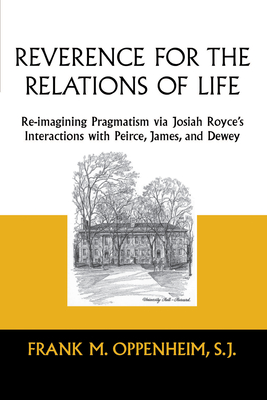
Josiah Royce and William James lived in Cambridge Massachusetts on Irving Street just two doors apart and Charles Peirce grew up only blocks away. John Dewey was born and educated in nearby Vermont. These four great thinkers shared more than geographic space; they engaged in a series of formative philosophical discussions. By tracing the interactions of Royce (1855-1916) with James Peirce and Dewey Oppenheim re-imagines pragmatism in a way that highlights the late Royce's role as mediator and favors the seed-plant image of O. W. Holmes Jr. over the corridor image of Papini. Josiah Royce emphasized that communities of all sizes-ranging from families to towns-needed reverence for the relations of life not only to thrive but to survive. This theme permeates the dialectic of Royce's interactions with Peirce James and Dewey. Oppenheim analyzes the agreement and disagreement of these thinkers on the method and content of philosophy skepticism and intelligibility and nominalism and intentionality as he uncovers their varied stances toward transcendent Reality. Oppenheim repudiates Ralph Barton Perry's tactic of using Royce as a foil to display James positively by offering a richer portrait of Royce. Oppenheim calls attention to Royce's doctrine of two levels and its effects on the distinction of human and super-human by showing the contrast of Royce's third attitude of will against two primarily self-centered attitudes of will and by examining the roles of Spirit Community and semiotic process in Royce's late thought.
Piracy-free
Assured Quality
Secure Transactions
Delivery Options
Please enter pincode to check delivery time.
*COD & Shipping Charges may apply on certain items.
Review final details at checkout.
Details
ISBN 13
9780268159863
Publication Date
-26-01-2005
Pages
-522
Weight
-699 grams
Dimensions
-152x229x26.68 mm
