

English


Paperback
₹3649
₹4809
24.12% OFF
(All inclusive*)
Delivery Options
Please enter pincode to check delivery time.
*COD & Shipping Charges may apply on certain items.
Review final details at checkout.
Looking to place a bulk order? SUBMIT DETAILS
Delivery Options
Please enter pincode to check delivery time.
*COD & Shipping Charges may apply on certain items.
Review final details at checkout.
About The Book
Description
Author(s)
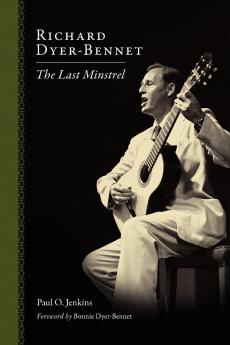
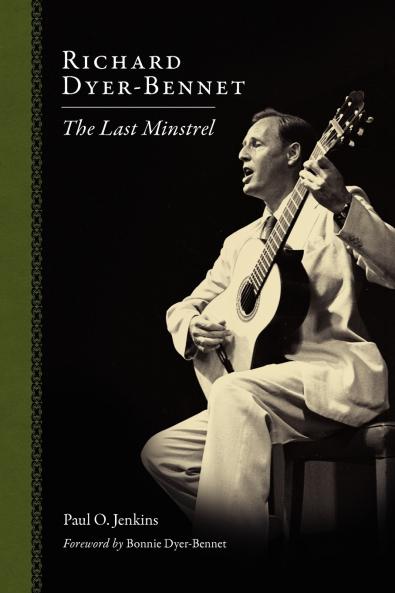
In the 1940s and '50s Richard Dyer-Bennet (1913-1991) was among the best known and most respected folk singers in America. Paul O. Jenkins tells for the first time the story of Dyer-Bennet often referred to as the Twentieth-Century Minstrel. Dyer-Bennet's approach to singing sounded almost foreign to many American listeners. The folk artist followed a musical tradition in danger of dying out. The Swede Sven Scholander was the last European proponent of minstrelsy and served as Dyer-Bennet's inspiration after the young singer traveled to Stockholm to meet him one year before Scholander's death.Dyer-Bennet's achievements were many. Nine years after his meeting with Scholander he became the first solo performer of his kind to appear in Carnegie Hall. This book argues Dyer- Bennet helped pave the way for the folk boom of the mid-1950s and early 1960s finding his influence in the work of Joan Baez Judy Collins and many others. It also posits strong evidence that Dyer-Bennet would certainly be much better known today had his career not been interrupted midstream by the anticommunist Red-scare blacklist and its ban on his performances.

Piracy-free

Assured Quality

Secure Transactions

Fast Delivery

Sustainably Printed
Details
ISBN 13
9781617032059
Publication Date
-29-08-2011
Pages
-208
Weight
-289 grams
Dimensions
-152x229x12.09 mm
