

English



₹11691
₹13547
13.7% OFF
(All inclusive*)
Hardback
Delivery Options
Please enter pincode to check delivery time.
*COD & Shipping Charges may apply on certain items.
Review final details at checkout.
Looking to place a bulk order? SUBMIT DETAILS
Delivery Options
Please enter pincode to check delivery time.
*COD & Shipping Charges may apply on certain items.
Review final details at checkout.
About The Book
Description
Author
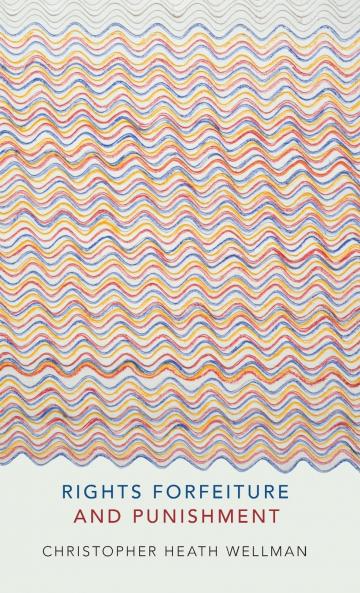
<p>Given that persons typically have a right not to be subjected to the hard treatment of punishment it would seem natural to conclude that the permissibility of punishment is centrally a question of rights. Despite this the vast majority of theorists working on punishment focus instead on important aims such as achieving retributive justice deterring crime restoring victims or expressing society&#39;s core values. Wellman contends that these aims may well explain why we should want a properly constructed system of punishment but none shows why it would be permissible to institute one. Only a rights-based analysis will suffice because the type of justification we seek for punishment must demonstrate that punishment is permissible and it would be permissible only if it violated no one&#39;s rights. On Wellman&#39;s view punishment is permissible just in case the wrongdoer has forfeited her right against punishment by culpably violating (or at least attempting to violate) the rights of others.</p><p>After defending rights forfeiture theory against the standard objections Wellman explains this theory&#39;s implications for a number of core issues in criminal law including the authority of the state international criminal law the proper scope of the criminal law and the tort/crime distinction procedural rights and the justification of mala prohibita.</p>

Piracy-free

Assured Quality

Secure Transactions

Fast Delivery

Sustainably Printed
Details
ISBN 13
9780190274764
Publication Date
-01-08-2017
Pages
-242
Weight
-366 grams
Dimensions
-140x216x17.46 mm
