

English


Paperback
₹2195
₹2300
4.57% OFF
(All inclusive*)
Delivery Options
Please enter pincode to check delivery time.
*COD & Shipping Charges may apply on certain items.
Review final details at checkout.
Looking to place a bulk order? SUBMIT DETAILS
Delivery Options
Please enter pincode to check delivery time.
*COD & Shipping Charges may apply on certain items.
Review final details at checkout.
About The Book
Description
Author
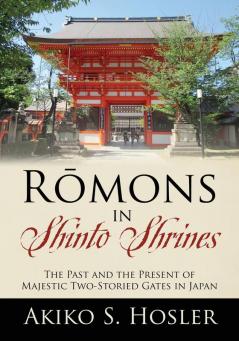
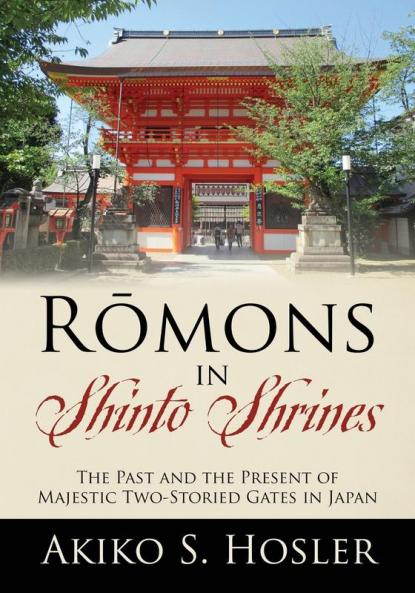
<p>Rōmon is a traditional two-storied gate found in a place of worship in Japan.&nbsp;Rōmeans multi-storied and mon means gate in Japanese.&nbsp;A typical rōmon in Japan is constructed with wood; massive and decorative; and has a large hip-and-gable roof and a wraparound small balcony with railings.&nbsp;Rōmons that are noted for their artistic beauty and historical significance tend to belong to Shinto shrines.&nbsp;Yet no one can answer such simple question as how many rōmons exist in Shinto shrines in Japan.&nbsp;This very first book about Shinto rōmons has two parts.&nbsp;Part 1 is about reporting results of my search for existing Shinto rōmons across Japan.&nbsp;First I explain the unique and systematic techniques I used to search for existing rōmons.&nbsp;Then I report findings from my search.&nbsp;Results are organized by various topics such as time of construction geographic location relative spatial position notable exterior characteristics zuijin statues and preservation of rōmons.&nbsp;Findings are primarily aggregated at the group level but notable examples of individual cases (specific rōmons) are also provided.&nbsp;In short Part 1 is designed to answer such basic questions as What is rōmon? What do they look like? and Where are they located?&nbsp;Part 2 is about lost Shinto rōmons.&nbsp;The existing rōmons are only a small part of the rōmons that have ever been built and on average in every several years a rōmon is lost due to fire earthquake old age among other reasons.&nbsp;Part 2 consists of a collection of fascinating stories and trivia of lost Shinto rōmons.&nbsp;These stories and trivia relate to specific shrines famous persons or historic events and are organized chronologically.&nbsp;Examples of topics include Iwashimizu Hachimangū - Eight Generations of Rōmons&nbsp;Kashiwahgi Jinja - Musical Chairs of Rōmons The Toyotomi Clan vs. the Tokugawa Clan - Who is the Rōmon Shogun? End of the Syncretism - Did Shinto Shrines Lose Rōmons? and A Forgotten Lost Shinto Rōmon Overseas.&nbsp;This book also contains 12 tables 8 figures a glossary of Shinto gates and bibliography.&nbsp;Finally the appendix lists all 225 existing rōmons their locations structural designs and historic preservation designations.</p>

Piracy-free

Assured Quality

Secure Transactions

Fast Delivery

Sustainably Printed
Details
ISBN 13
9781977246820
Publication Date
-07-10-2021
Pages
-110
Weight
-210 grams
Dimensions
-178x254x5.81 mm
