


English



Hardback
₹9609
₹12321
22.01% OFF
(All inclusive*)
Delivery Options
Please enter pincode to check delivery time.
*COD & Shipping Charges may apply on certain items.
Review final details at checkout.
Looking to place a bulk order? SUBMIT DETAILS
Delivery Options
Please enter pincode to check delivery time.
*COD & Shipping Charges may apply on certain items.
Review final details at checkout.
About The Book
Description
Author
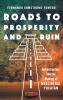
<p>In 2022 journalists announced the impending economic death of a small Mexican town. Pist&#xE9; gateway to the famed Chich&#xE9;n Itz&#xE1; archaeological site would be circumvented by the Tren Maya commuter rail megaproject and consequently deprived of the promise of steady tourist traffic. Instead of ruminating with frustration locals set to work on negotiations with the state and federal governments. Generations of experience taught them that pragmatic engagement with mainstream political parties was essential in turning into opportunity projects with the potential to kill the local economy.<br/><br/>Fernando Armstrong-Fumero situates the Tren Maya in a long history of roadbuilding and economic development on the Yucat&#xE1;n Peninsula beginning in the 1930s. Drawing together archival research and decades of ethnographic work Armstrong-Fumero develops the concept of negative infrastructure to show how infrastructural and industrial investments configure rural economic futures as well as how communities seek to mitigate the harms from projects designed to benefit other regions or interests. The push and pull of development reveals the strategies residents use to influence political change through municipal elections and informal protest. Recognizing their life-changing potential rural Maya Yucatecans recast infrastructural projects as new possibilities for inclusion agency and resistance as participants in formal state and economic structures.</p>

Piracy-free

Assured Quality

Secure Transactions

Fast Delivery

Sustainably Printed
Details
ISBN 13
9781469691206
Publication Date
-28-10-2025
Pages
-248
Weight
-450 grams
Dimensions
-156x234x17.46 mm
