

English


Hardback
₹15235
₹17190
11.37% OFF
(All inclusive*)
Delivery Options
Please enter pincode to check delivery time.
*COD & Shipping Charges may apply on certain items.
Review final details at checkout.
Looking to place a bulk order? SUBMIT DETAILS
Delivery Options
Please enter pincode to check delivery time.
*COD & Shipping Charges may apply on certain items.
Review final details at checkout.
About The Book
Description
Author
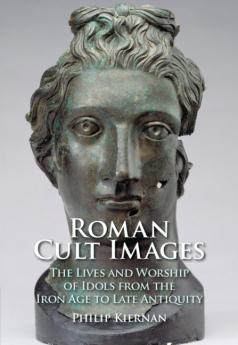
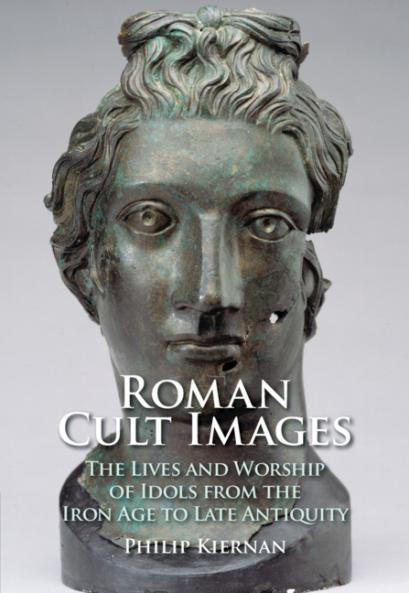
In this book Philip Kiernan explores how cult images functioned in Roman temples from the Iron Age to Late Antiquity in the Roman west. He demonstrates how and why a temple''s idols were more important to ritual than other images such as votive offerings and decorative sculpture. These idols were seen by many to be divine and possessed of agency. They were thus the primary focus of worship. Aided by cross-cultural comparative material Kiernan''s study brings a biographical approach to explore the ''lives'' of idols and cult images - how they were created housed in temples used and worshipped and eventually destroyed or buried. He also shows how the status of cult images could change how new idols and other cult images were being continuously created and how in each phase of their lives we find evidence for the significant power of idols.

Piracy-free

Assured Quality

Secure Transactions

Fast Delivery

Sustainably Printed
Details
ISBN 13
9781108487344
Publication Date
-31-05-2024
Pages
-376
Weight
-774 grams
Dimensions
-178x254x22.23 mm
