


English


₹11896
₹12522
5% OFF
(All inclusive*)
Paperback
Delivery Options
Please enter pincode to check delivery time.
*COD & Shipping Charges may apply on certain items.
Review final details at checkout.
Looking to place a bulk order? SUBMIT DETAILS
Delivery Options
Please enter pincode to check delivery time.
*COD & Shipping Charges may apply on certain items.
Review final details at checkout.
About The Book
Description
Author
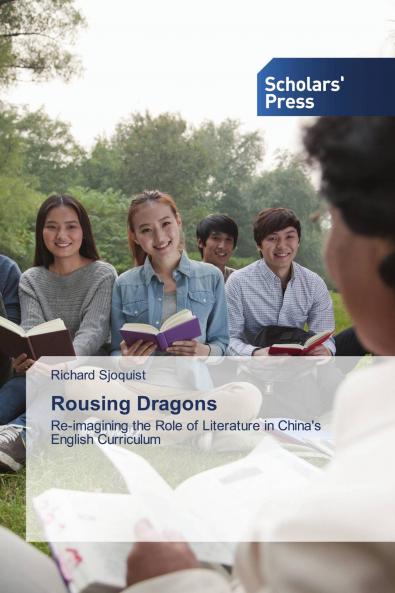
This broad-based qualitative study describes the development and deployment of culturally informed literature-inclusive English-as-a-Foreign Language curricula in the People''s Republic of China. Conducted at both the tertiary and secondary levels in three distinct regions of the country this study involves a multi-year investigation into social constructivist assumptions about the nature of effective L2 literary discourse. The author makes the case that a well-conceived literature-inclusive curriculum has the capacity to meaningfully enhance mainland Chinese students'' understanding and appreciation of English-speaking cultures but also provide a framework for Chinese EFL students to nurture and better articulate their feelings and thoughts increase their tolerance for ambiguity and develop their reasoning skills and strategic linguistic competence.

Piracy-free

Assured Quality

Secure Transactions

Fast Delivery

Sustainably Printed
Details
ISBN 13
9786202319423
Publication Date
-25-03-2023
Pages
-688
Weight
-916 grams
Dimensions
-150x220x35.95 mm
