


English



₹5460
₹6909
20.97% OFF
(All inclusive*)
Paperback
Delivery Options
Please enter pincode to check delivery time.
*COD & Shipping Charges may apply on certain items.
Review final details at checkout.
Looking to place a bulk order? SUBMIT DETAILS
Delivery Options
Please enter pincode to check delivery time.
*COD & Shipping Charges may apply on certain items.
Review final details at checkout.
About The Book
Description
Author(s)
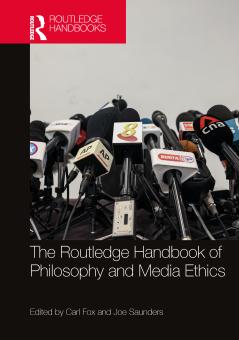
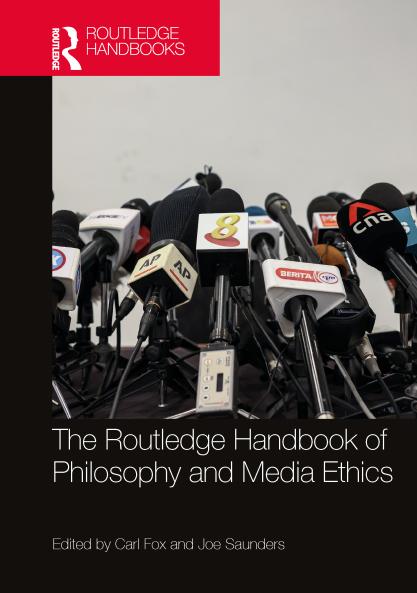
<p>The media informs entertains and connects us. It is woven into the fabric of politics. Its increasing immediacy has become an inescapable feature of almost everybody’s life. We are at the same time subject to the media and participants in it. The ethical questions it raises have never been more urgent. Trust is in short supply but we need to share information while dealing with problems like misinformation disinformation and echo chambers. And what responsibilities fall on the state and on other actors such as artists advertisers and social media users as we reckon with endemic problems like racism sexism and classism?</p><p><em>The Routledge Handbook of Philosophy and Media Ethics </em>is an outstanding survey and assessment of this vitally important field. Comprising thirty chapters written by an international team of contributors the Handbook is divided into five parts:</p><ul> <li>Freedom of Speech Privacy and Censorship</li> <li>The News Media</li> <li>Broadening the Scope: Giving Other Aspects of the Media their Due</li> <li>Justice Power and Representation</li> <li>Vice and Virtue Online</li> </ul><p><em>The Routledge Handbook of Philosophy and Media Ethics </em>is essential reading for students and researchers in philosophy media and communication studies politics and law as well as practising media professionals and journalists.</p>

Piracy-free

Assured Quality

Secure Transactions

Fast Delivery

Sustainably Printed
Details
ISBN 13
9780367682170
Publication Date
-27-06-2025
Pages
-412
Weight
-684 grams
Dimensions
-173.99x246.13x21.77 mm
