

English


Paperback
₹5000
₹6210
19.48% OFF
(All inclusive*)
Delivery Options
Please enter pincode to check delivery time.
*COD & Shipping Charges may apply on certain items.
Review final details at checkout.
Looking to place a bulk order? SUBMIT DETAILS
Delivery Options
Please enter pincode to check delivery time.
*COD & Shipping Charges may apply on certain items.
Review final details at checkout.
About The Book
Description
Author
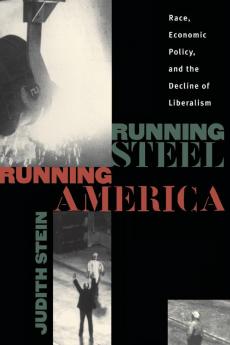
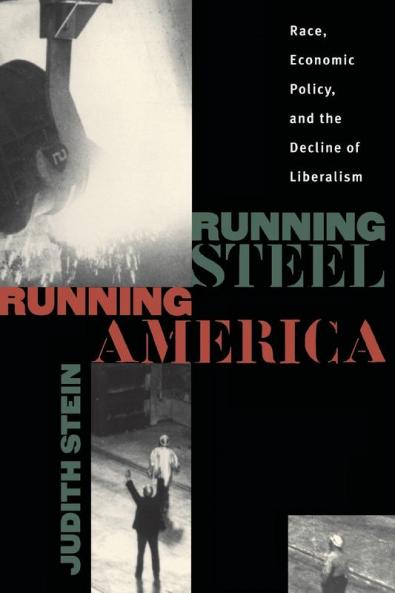
The history of modern liberalism has been hotly debated in<br/>contemporary politics and the academy. Here Judith Stein uses<br/>the steel industry--long considered fundamental to the U.S.<br/>economy--to examine liberal policies and priorities after World<br/>War II. In a provocative revision of postwar American history<br/>she argues that it was the primacy of foreign commitments and the<br/>outdated economic policies of the state more than the nation's<br/>racial conflicts that transformed American liberalism from the<br/>powerful progressivism of the New Deal to the feeble policies of<br/>the 1990s.<br/> Stein skillfully integrates a number of narratives usually<br/>treated in isolation--labor civil rights politics business<br/>and foreign policy--while underscoring the state's focus on the<br/>steel industry and its workers. By showing how those who<br/>intervened in the industry treated such economic issues as free<br/>trade and the globalization of steel production in isolation from<br/>the social issues of the day--most notably civil rights and the<br/>implementation of affirmative action--Stein advances a larger<br/>argument about postwar liberalism. Liberal attempts to address<br/>social inequalities without reference to the fundamental and<br/>changing workings of the economy she says have led to the<br/>foundering of the New Deal state.

Piracy-free

Assured Quality

Secure Transactions

Fast Delivery

Sustainably Printed
Details
ISBN 13
9780807847275
Publication Date
-05-10-1998
Pages
-430
Weight
-579 grams
Dimensions
-152x229x24.3 mm
