

English


Paperback
₹10899
₹12962
15.92% OFF
(All inclusive*)
Delivery Options
Please enter pincode to check delivery time.
*COD & Shipping Charges may apply on certain items.
Review final details at checkout.
Looking to place a bulk order? SUBMIT DETAILS
Delivery Options
Please enter pincode to check delivery time.
*COD & Shipping Charges may apply on certain items.
Review final details at checkout.
About The Book
Description
Author
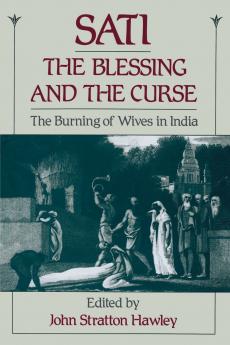
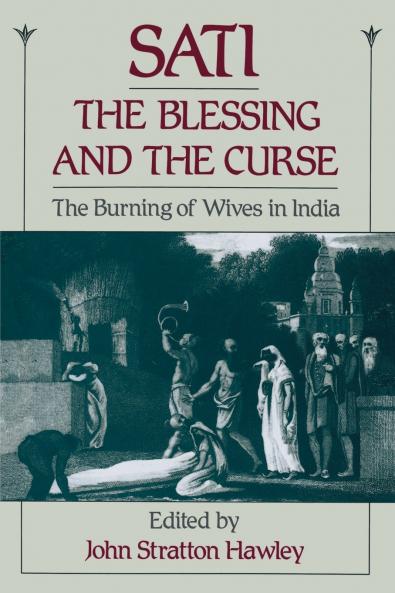
Several years ago in Rajasthan an eighteen-year-old woman was burned on her husband''s funeral pyre and thus became sati. Before ascending the pyre she was expected to deliver both blessings and curses: blessings to guard her family and clan for many generations and curses to prevent anyone from thwarting her desire to die. Sati also means blessing and curse in a broader sense. To those who revere it sati symbolizes ultimate loyalty and self-sacrifice. It often figures near the core of a Hindu identity that feels embattled in a modern world. Yet to those who deplore it sati is a curse a violation of every woman''s womanhood. It is murder mystified and as such the symbol of precisely what Hinduism should not be this volume a group of leading scholars consider the many meanings of sati: in India and the West; in literature art and opera; in religion psychology economics and politics. With contributors who are both Indian and American this is a genuinely binational postcolonial discussion. Contributors include Karen Brown Paul Courtright Vidya Dehejia Ainslie Embree Dorothy Figueira Lindsey Harlan John Hawley Robin Lewis Ashis Nandy and Veena Talwar Oldenburg.

Piracy-free

Assured Quality

Secure Transactions

Fast Delivery

Sustainably Printed
Details
ISBN 13
9780195077742
Publication Date
-01-03-1993
Pages
-232
Weight
-320 grams
Dimensions
-152x229x13.41 mm
