

English


Hardback
₹2464
₹2907
15.24% OFF
(All inclusive*)
Delivery Options
Please enter pincode to check delivery time.
*COD & Shipping Charges may apply on certain items.
Review final details at checkout.
Looking to place a bulk order? SUBMIT DETAILS
Delivery Options
Please enter pincode to check delivery time.
*COD & Shipping Charges may apply on certain items.
Review final details at checkout.
About The Book
Description
Author
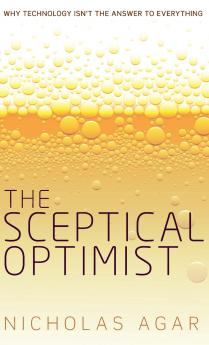
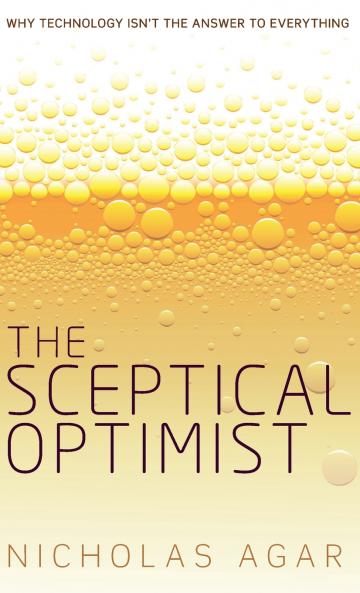
The rapid developments in technologies -- especially computing and the advent of many 'smart' devices as well as rapid and perpetual communication via the Internet -- has led to a frequently voiced view which Nicholas Agar describes as 'radical optimism'. Radical optimists claim that<br>accelerating technical progress will soon end poverty disease and ignorance and improve our happiness and well-being. Agar disputes the claim that technological progress will <em>automatically</em> produce great improvements in subjective well-being. He argues that radical optimism 'assigns to<br>technological progress an undeserved pre-eminence among all the goals pursued by our civilization'. <p/>Instead Agar uses the most recent psychological studies about human perceptions of well-being to create a realistic model of the impact technology will have. Although he accepts that technological advance does produce benefits he insists that these are significantly less than those proposed by<br>the radical optimists and aspects of such progress can also pose a threat to values such as social justice and our relationship with nature while problems such as poverty cannot be understood in technological terms. He concludes by arguing that a more realistic assessment of the benefits that<br>technological advance can bring will allow us to better manage its risks in future.<br>

Piracy-free

Assured Quality

Secure Transactions

Fast Delivery

Sustainably Printed
Details
ISBN 13
9780198717058
Publication Date
-01-09-2015
Pages
-222
Weight
-343 grams
Dimensions
-140x216x14.29 mm
