


English


₹10877
(All inclusive*)
Hardback
Delivery Options
Please enter pincode to check delivery time.
*COD & Shipping Charges may apply on certain items.
Review final details at checkout.
Looking to place a bulk order? SUBMIT DETAILS
Delivery Options
Please enter pincode to check delivery time.
*COD & Shipping Charges may apply on certain items.
Review final details at checkout.
About The Book
Description
Author
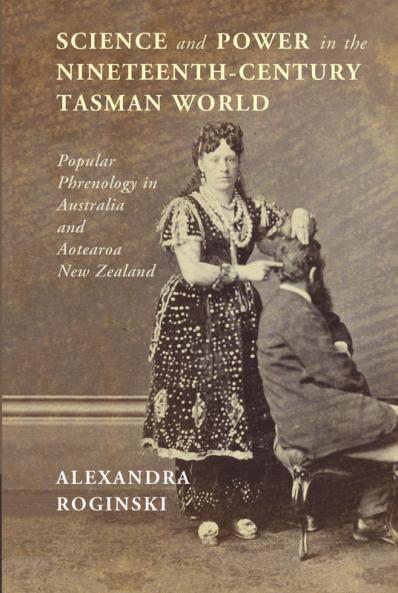
The contentious science of phrenology once promised insight into character and intellect through external 'reading' of the head. In the transforming settler-colonial landscapes of nineteenth-century Australia and Aotearoa New Zealand popular phrenologists - figures who often hailed from the margins - performed their science of touch and cranial jargon everywhere from mechanics' institutions to public houses. In this compelling work Alexandra Roginski recounts a history of this everyday practice exploring how it featured in the fates of people living in and moving through the Tasman World. Innovatively drawing on historical newspapers and a network of archives she traces the careers of a diverse range of popular phrenologists and those they encountered. By analysing the actions at play in scientific episodes through ethnographic social and cultural history Roginski considers how this now-discredited science could in its own day yield fleeting power and advantage even against a backdrop of large-scale dispossession and social brittleness.

Piracy-free

Assured Quality

Secure Transactions

Fast Delivery

Sustainably Printed
Details
ISBN 13
9781316519448
Publication Date
-01-06-2023
Pages
-290
Weight
-484 grams
Dimensions
-152.4x228.6x17.55 mm
