


English



Paperback
₹1688
₹1850
8.76% OFF
(All inclusive*)
Delivery Options
Please enter pincode to check delivery time.
*COD & Shipping Charges may apply on certain items.
Review final details at checkout.
Looking to place a bulk order? SUBMIT DETAILS

Piracy-free

Assured Quality

Secure Transactions
About The Book
Description
Author
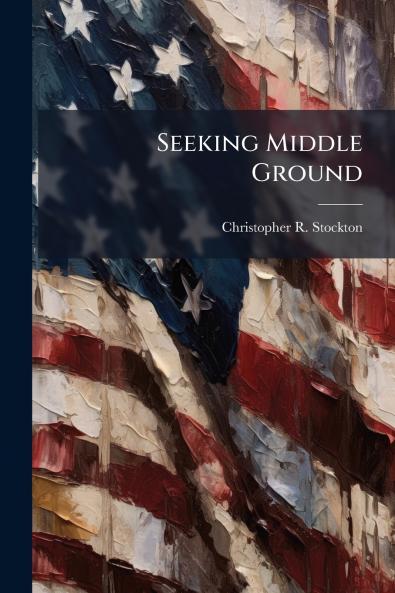
<p>The Vietnam War and Operation Allied Force are two examples of coercive strategy characterized by gradual escalation of violence. They both involved significant discord between policymakers and the military leaders called upon to execute the strategy; they stand in stark contrast to Operation Desert Storm where gradualism was not used and in which there was apparently much greater harmony and integration. This monograph explores the sources of that tension assesses their compatibility and proposes some measures to aid the reconciliation. The problem is significant. All of the trends apparent in today's security environment (globalization ambiguity reduced time etc.) drive toward ad hoc coalitions which respond to crises that challenge not a state's existence or well-being but its values and idealism. In such an environment coercion plays an important role in international relations. As coercion and gradualism increase in appeal and likelihood awareness and reconciliation of the different ways actors in the national security process view them become more important. A broad review of the Vietnam War Operation Desert Storm and Operation Allied Force coupled with careful attention to terminology and definitions provides the foundation for the discussion. Standards and criteria are proposed which encompass both the objective and subjective nature of policy analysis. Four relevant viewpoints are identified (those of the academic warrior diplomat and politician) and explored in depth. The criteria are applied to coercion and gradualism as each actor views them to assess their utility and attractiveness. This analysis highlights differences which contribute to tension in policy formulation and execution. The monograph integrates these various outlooks by proposing a conceptual model-that of a pole-vaulter's high-bar-within which they might all operate. It has additional utility in visualizing all actions by each instrument of power and their gross effect</p><p>This work has been selected by scholars as being culturally important and is part of the knowledge base of civilization as we know it. This work was reproduced from the original artifact and remains as true to the original work as possible. Therefore you will see the original copyright references library stamps (as most of these works have been housed in our most important libraries around the world) and other notations in the work.</p><p>This work is in the public domain in the United States of America and possibly other nations. Within the United States you may freely copy and distribute this work as no entity (individual or corporate) has a copyright on the body of the work.</p><p>As a reproduction of a historical artifact this work may contain missing or blurred pages poor pictures errant marks etc. Scholars believe and we concur that this work is important enough to be preserved reproduced and made generally available to the public. We appreciate your support of the preservation process and thank you for being an important part of keeping this knowledge alive and relevant.</p>
Piracy-free
Assured Quality
Secure Transactions
Delivery Options
Please enter pincode to check delivery time.
*COD & Shipping Charges may apply on certain items.
Review final details at checkout.
Details
ISBN 13
9781288318124
Publication Date
-19-11-2012
Pages
-60
Weight
-100 grams
Dimensions
-156x234x3.26 mm
