


English




Paperback
₹3002
₹3473
13.56% OFF
(All inclusive*)
Delivery Options
Please enter pincode to check delivery time.
*COD & Shipping Charges may apply on certain items.
Review final details at checkout.
Looking to place a bulk order? SUBMIT DETAILS

Piracy-free

Assured Quality

Secure Transactions
About The Book
Description
Author
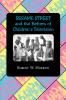
By the late 1960s more than a few critics of American culture groused about the condition of television programming and in particular the quality and content of television shows for children. In the eyes of the reform-minded commercial television crassly exploited young viewers; its violence and tastelessness served no higher purpose than the bottom line. The Children's Television Workshop (CTW)-and its fresh approach to writing and producing programs for kids-emerged from this growing concern. Sesame Street-CTW's flagship hour-long show-aimed to demonstrate how television could help all preschoolers including low-income urban children prepare for first grade. In this engaging study Robert W. Morrow explores the origins and inner workings of CTW how the workshop in New York scripted and designed Sesame Street and how the show became both a model for network television as well as a thorn in its side. Through extensive archival research and a systematic study of sample programs from Sesame Street's first ten seasons Morrow tells the story of Sesame Street's creation; the ideas techniques organization and funding behind it; its place in public discourse; and its ultimate and unfortunate failure as an agent of commercial television reform.
Piracy-free
Assured Quality
Secure Transactions
Delivery Options
Please enter pincode to check delivery time.
*COD & Shipping Charges may apply on certain items.
Review final details at checkout.
Details
ISBN 13
9780801890857
Publication Date
-22-08-2008
Pages
-260
Weight
-357 grams
Dimensions
-152x229x14.95 mm
