







₹5220
₹6141
15% OFF
(All inclusive*)
Paperback
Delivery Options
Please enter pincode to check delivery time.
*COD & Shipping Charges may apply on certain items.
Review final details at checkout.
Looking to place a bulk order? SUBMIT DETAILS
Delivery Options
Please enter pincode to check delivery time.
*COD & Shipping Charges may apply on certain items.
Review final details at checkout.
About The Book
Description
Author
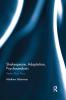
In Shakespeare Adaptation Psychoanalysis Matthew Biberman analyzes early adaptations of Shakespeare’s plays in order to identify and illustrate how both social mores and basic human psychology have changed in Anglo-American culture. Biberman contests the received wisdom that Shakespeare’s characters reflect essentially timeless truths about human nature. To the contrary he points out that Shakespeare’s characters sometimes act and think in ways that have become either stigmatized or simply outmoded. Through his study of the adaptations Biberman pinpoints aspects of Shakespeare’s thinking about behavior and psychology that no longer ring true because circumstances have changed so dramatically between his time and the time of the adaptation. He shows how the adaptors’ changes reveal key differences between Shakespeare’s culture and the culture that then supplanted it. These changes once grasped reveal retroactively some of the ways in which Shakespeare’s characters do not act and think as we might expect them to act and think. Thus Biberman counters Harold Bloom’s claim that Shakespeare fundamentally invents our sense of the human; rather he argues our sense of the human is equally bound up in the many ways that modern culture has come to resist or outright reject the behavior we see in Shakespeare’s plays. Ultimately our current sense of 'the human' is bound up not with the adoption of Shakespeare’s psychology perhaps but its adaption-or in psychoanalytic terms its repression and replacement.

Piracy-free

Assured Quality

Secure Transactions

Fast Delivery

Sustainably Printed
Details
ISBN 13
9780367881887
Publication Date
-12-12-2019
Pages
-160
Weight
-226 grams
Dimensions
-151.89x229.11x8.82 mm
