


English
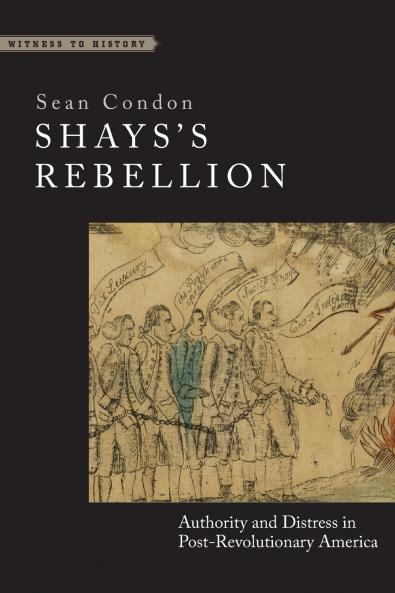



Paperback
₹2694
₹3011
10.53% OFF
(All inclusive*)
Delivery Options
Please enter pincode to check delivery time.
*COD & Shipping Charges may apply on certain items.
Review final details at checkout.
Looking to place a bulk order? SUBMIT DETAILS
Delivery Options
Please enter pincode to check delivery time.
*COD & Shipping Charges may apply on certain items.
Review final details at checkout.
About The Book
Description
Author
<p><b>How an uprising of debtors and small farmers unwittingly influenced the U.S. Constitution.</b></p><p>Throughout the late summer and fall of 1786 farmers in central and western Massachusetts organized themselves into armed groups to protest against established authority and aggressive creditors. Calling themselves regulators or the voice of the people these crowds attempted to pressure the state government to lower taxes and provide relief to debtors by using some of the same methods employed against British authority a decade earlier. From the perspective of men of wealth and station these farmers threatened the foundations of society: property rights and their protection in courts and legislature.</p><p>In this concise and compelling account of the uprising that came to be known as Shays's Rebellion Sean Condon describes the economic difficulties facing both private citizens and public officials in newly independent Massachusetts. He explains the state government policy that precipitated the farmers' revolt details the machinery of tax and debt collection in the 1780s and provides readers with a vivid example of how the establishment of a republican form of government shifted the boundaries of dissent and organized protest. </p><p>Underscoring both the fragility and the resilience of government authority in the nascent republic the uprising and its aftermath had repercussions far beyond western Massachusetts; ultimately it shaped the framing and ratification of the U.S. Constitution which in turn ushered in a new stronger and property-friendly federal government. A masterful telling of a complicated story <i>Shays's Rebellion</i> is aimed at scholars and students of American history.</p>

Piracy-free

Assured Quality

Secure Transactions

Fast Delivery

Sustainably Printed
Details
ISBN 13
9781421417431
Publication Date
-01-07-2015
Pages
-178
Weight
-250 grams
Dimensions
-152x229x10.41 mm
