




This Book is Out of Stock!
English



Paperback
₹10542
₹11720
10.05% OFF
(All inclusive*)
Delivery Options
*COD & Shipping Charges may apply on certain items.
Review final details at checkout.
Looking to place a bulk order? SUBMIT DETAILS

Piracy-free

Assured Quality

Secure Transactions
About The Book
Description
Author
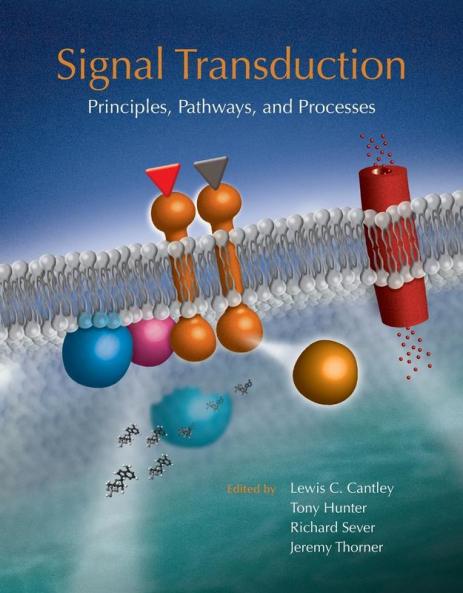
Cells must respond to a wide variety of signals. These include hormones growth factors morphogens and environmental stress as well as signals from internal regulators and checkpoints. A complex network of signal transduction pathways within the cell ensures that these signals are relayed to the correct molecular targets and that the cell responds appropriately. <p/>This textbook provides a comprehensive view of signal transduction covering both the fundamental mechanisms involved and their roles in key biological processes. Taking a novel approach it first lays out the basic principles of signal transduction explaining how different receptors receive information and transmit it via signaling proteins ions and second messengers. It then surveys the major signaling pathways that operate in cells before examining in detail how these function in processes such as cell growth and division cell movement metabolism development reproduction the nervous system and immune function. <p/>The book is essential reading for students learning about signal transduction for the first time. It will also be a vital reference for all cell molecular and developmental biologists and pharmacologists neurobiologists and immunologists studying processes regulated by cell signaling.
Piracy-free
Assured Quality
Secure Transactions
*COD & Shipping Charges may apply on certain items.
Review final details at checkout.
₹10542
₹11720
10% OFF
Paperback
Out Of Stock
All inclusive*
Details
ISBN 13
9781621821816
Publication Date
-01-10-2013
Pages
-466
Weight
-1073 grams
Dimensions
-216x276x23.87 mm
