


This Book is Out of Stock!
English


Paperback
₹2698
₹2850
5.33% OFF
(All inclusive*)
Delivery Options
*COD & Shipping Charges may apply on certain items.
Review final details at checkout.
Looking to place a bulk order? SUBMIT DETAILS
*COD & Shipping Charges may apply on certain items.
Review final details at checkout.
₹2698
₹2850
5% OFF
Paperback
Out Of Stock
All inclusive*
About The Book
Description
Author
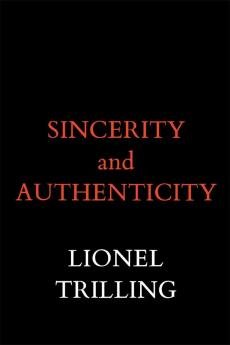
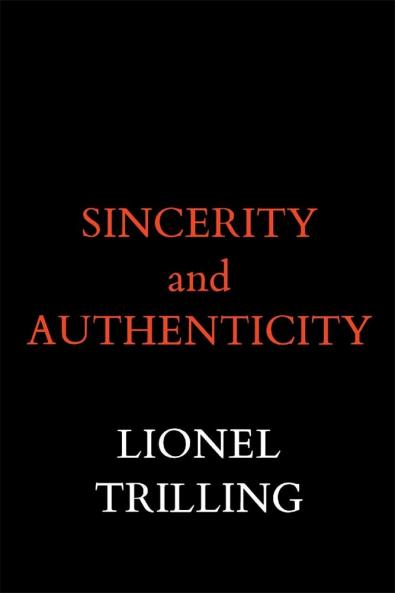
<p><b>A powerful diagram of the moral life from Shakespeare to the present...a book crowded with insights.--Geoffrey Hartman <i>New York Times</i></b> <p/><b>One of the twentieth century's foremost literary critics traces the idea of the self across five hundred years of Western cultural history.</b> <p/>One cannot both be sincere and seem so André Gide once wrote. Attempting to inhabit sincerity to satisfy social expectations makes it into a posture or a persona--a self-defeating enterprise. What then does the oft-repeated injunction to be yourself really mean? <p/>In his 1969-1970 Norton Lectures Lionel Trilling argues that this simple piece of advice has been the source of centuries of moral perplexity. In Elizabethan England being true to oneself was seen as a means to an end. To thine own self be true Polonius famously advised Laertes in <i>Hamlet</i> And it must follow as the night the day / Thou canst not then be false to any man. But this vision of the honest soul whose pursuit of self-knowledge brings harmony with external society gradually collapsed under the weight of modern literature and philosophy. Drawing a line from Rousseau Robespierre and Jane Austen through Hegel Freud and Joseph Conrad Trilling brilliantly shows how sincerity was displaced by the more strenuous ideal of authenticity in which genuine selfhood became a product of alienation and negation a ceaseless purge of both social artifice and self-deception. In his final lectures he presciently notes the rising embrace of deliberate inauthenticity a development that rapidly accelerated after his death. <p/>Moving fluidly between philosophy literature cultural history and psychoanalysis <i>Sincerity and Authenticity</i> is a bravura performance unraveling our labors of self-definition with the wit and effortless sophistication that made Trilling a foremost literary critic of the twentieth century.</p>

Piracy-free

Assured Quality

Secure Transactions

Fast Delivery

Sustainably Printed
Details
ISBN 13
9780674808614
Publication Date
-01-10-1973
Pages
-200
Weight
-167 grams
Dimensions
-139.7x208.3x12.3 mm
