

English


Hardback
₹4148
₹4777
13.16% OFF
(All inclusive*)
Delivery Options
Please enter pincode to check delivery time.
*COD & Shipping Charges may apply on certain items.
Review final details at checkout.
Looking to place a bulk order? SUBMIT DETAILS
Delivery Options
Please enter pincode to check delivery time.
*COD & Shipping Charges may apply on certain items.
Review final details at checkout.
About The Book
Description
Author
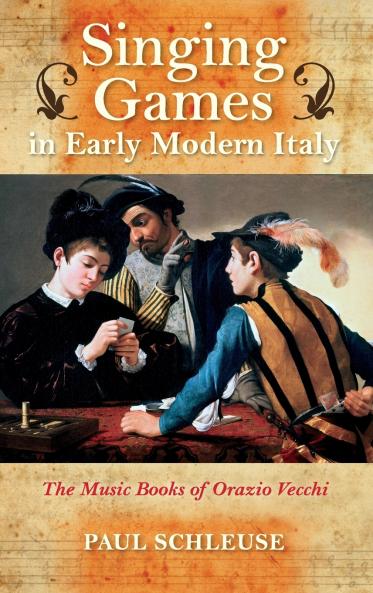
<p>In Italy during the late <i>cinquecento</i> printed music could be found not only in the homes of the wealthy or the music professional but also in lay homes courts and academies. No longer confined to the salons of the elite music took on the role of social play and recreation. Paul Schleuse examines these new musical forms through a study of the music books of Italian priest poet and composer Orazio Vecchi. Composed for minor patrons and the wider music-buying public Vecchi's madrigals took as their subjects game-playing drinking hunting battles and the life of the street. Schleuse looks at how music and game-playing allowed singers and performers to play the roles of exemplary pastoral characters and also comic foreign and rustic others in ways that defined and ultimately reinforced social norms of the times. His findings reposition Orazio Vecchi as one of the most innovative composers of the late 16th century.</p>

Piracy-free

Assured Quality

Secure Transactions

Fast Delivery

Sustainably Printed
Details
ISBN 13
9780253015013
Publication Date
-08-06-2015
Pages
-386
Weight
-639 grams
Dimensions
-156x234x22.23 mm
