

English


Paperback
₹2256
₹2585
12.73% OFF
(All inclusive*)
Delivery Options
Please enter pincode to check delivery time.
*COD & Shipping Charges may apply on certain items.
Review final details at checkout.
Looking to place a bulk order? SUBMIT DETAILS
Delivery Options
Please enter pincode to check delivery time.
*COD & Shipping Charges may apply on certain items.
Review final details at checkout.
About The Book
Description
Author
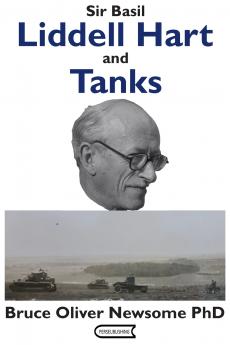
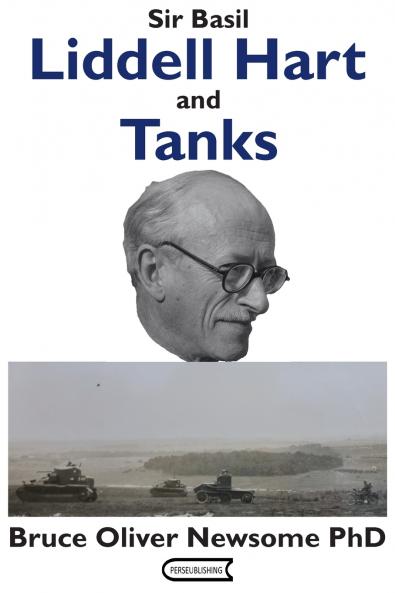
<p>Sir Basil Liddell Hart (1895-1970) is the strongest influence on Anglophone military thought. From the 1920s he influenced doctrine force structure and acquisitions. By the 1950s he was the official historian of Britain's tank arm and the self-declared inventor of Blitzkrieg. He died in 1970 a knight of the realm feted as the greatest expert on tanks in the world.</p><p>Liddell Hart's thinking about tanks is more interesting and varied than he or his disciples portrayed. During the Great War he advocated for pedestrian infantry as the decisive arm. In the 1920s he embraced JFC Fuller's call for fully-mechanized combined arms. He even advocated for a small all-tracked army on the promise that it could end wars in days. Yet he soon embraced one-man tankettes and fancied that all arms could be amalgamated around them. He campaigned for a ban on tanks weighing more than 5 tons. During the 1930s he prioritized fast light tanks each accommodating only one machine-gun and two men. He promised that they could race around the enemy's front infiltrate the enemy's rear raid industry and infrastructure and return days later without a battle. </p><p>During the Second World War he realized some of his mistakes but still complained about heavier tanks bigger guns and thicker armor and reimagined a light tank force for hit-and-run raids. The first three chapters of this book review Liddell Hart's early preference for pedestrians over tanks his switch to tanks over pedestrians after contacting JFC Fuller (then the tank arm's most senior officer) and his confused and selective engagement with tank technologies. </p><p>Chapters 4 to 10 explain his interwar views on respectively current heavy tanks tankettes and carriers light tanks medium tanks infantry tanks cruiser tanks and finally (of all things) motorcycles.</p><p>Chapter 11 reviews his post-war thoughts on the future of tanks and reveals previously overlooked restatements of his interwar views. </p><p>Chapter 12 reveals his slow contentious rebound as official historian of the tank arm. Publicly he leveraged the work to cement his reinvention as the neglected prophet of the sorts of technologies and doctrines normalized during the Second World War. Privately as I reveal here for the first time he was inattentive to the work and played the principals against each other except where convenient to his reinvention. Thus his lessons are hit and miss.</p><p>Liddell Hart always prioritized speed and stealthiness which still deserve our attention. Yet we also need to beware of reductionism to speed and stealthiness at the expense of other aspects of mobility survivability and lethality. Liddell Hart offers insights into the speed of Blitzkrieg and the stealthiness of raids. However his opus continues to encourage Western regression to fast charging light footprint portability ready deployability cost savings and raiding. These ideals are worthy but need to be balanced. Against inferior adversaries in easy terrain they can be spectacular. Against peer competitors or in difficult conditions they become costly and indecisive. This book helps us to implement his ideals realistically.</p><p><br></p>

Piracy-free

Assured Quality

Secure Transactions

Fast Delivery

Sustainably Printed
Details
ISBN 13
9781951171223
Publication Date
-01-08-2024
Pages
-74
Weight
-119 grams
Dimensions
-156x234x5.11 mm
