

English


Paperback
₹8526
(All inclusive*)
Delivery Options
Please enter pincode to check delivery time.
*COD & Shipping Charges may apply on certain items.
Review final details at checkout.
Looking to place a bulk order? SUBMIT DETAILS
Delivery Options
Please enter pincode to check delivery time.
*COD & Shipping Charges may apply on certain items.
Review final details at checkout.
About The Book
Description
Author
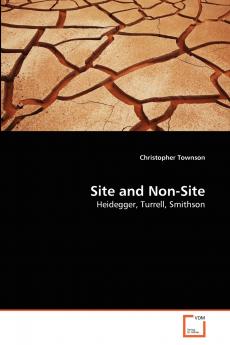
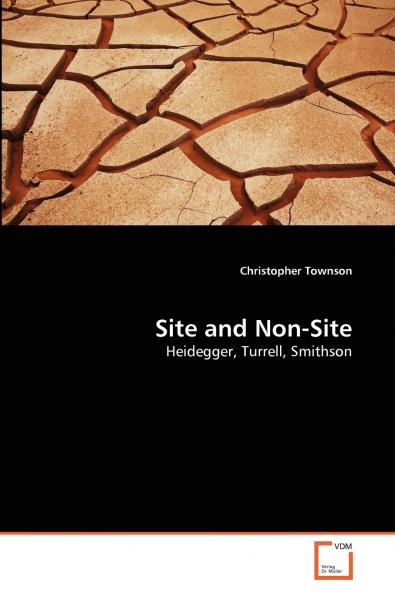
The notion of site-specific art is one that has been used extensively within art theory and practice since the late 1960s. However in the process of its various utilisations and interpretations the concept would seem to have been emptied almost entirely of meaning such that in the words of Miwon Kwon it becomes merely a token of criticality or progressivity. Many works throughout history have had a specific relation to a site. What if anything distinguishes modern and contemporary works that draw on the concept or to which it is ascribed? By revisiting the philosophical basis of the problem through an analysis of the work of Martin Heidegger and Maurice Merleau-Ponty Dr Christopher Townson addresses the problem of the meaning of site-specificity as a concept then elaborating this through case studies on James Turrell and Robert Smithson. As a consequence significant conclusions can be drawn not only with regard to site-specific art past and present but also for art history as a discipline.

Piracy-free

Assured Quality

Secure Transactions

Fast Delivery

Sustainably Printed
Details
ISBN 13
9783639339710
Publication Date
-06-05-2011
Pages
-268
Weight
-367 grams
Dimensions
-150x220x14.37 mm
