

English


₹6374
₹7331
13.05% OFF
(All inclusive*)
Hardback
Delivery Options
Please enter pincode to check delivery time.
*COD & Shipping Charges may apply on certain items.
Review final details at checkout.
Looking to place a bulk order? SUBMIT DETAILS
Delivery Options
Please enter pincode to check delivery time.
*COD & Shipping Charges may apply on certain items.
Review final details at checkout.
About The Book
Description
Author
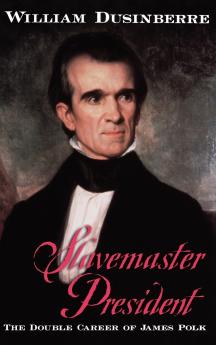
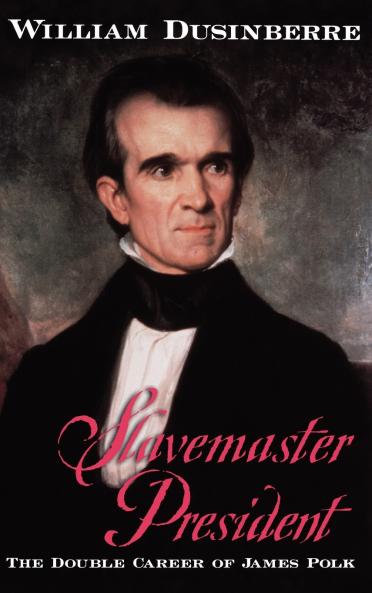
James Polk was President of the United States from 1845 to 1849 a time when slavery began to dominate American politics. Polk''s presidency coincided with the eruption of the territorial slavery issue which within a few years would lead to the catastrophe of the Civil War. Polk himself owned substantial cotton plantations-- in Tennessee and later in Mississippi-- and some 50 slaves. Unlike many antebellum planters who portrayed their involvement with slavery as a historical burden bestowed onto them by their ancestors Polk entered the slave business of his own volition for reasons principally of financial self-interest. Drawing on previously unexplored records Slavemaster President recreates the world of Polk''s plantation and the personal histories of his slaves in what is arguably the most careful and vivid account to date of how slavery functioned on a single cotton plantation. Life at the Polk estate was brutal and often short. Fewer than one in two slave children lived to the age of fifteen a child mortality rate even higher than that on the average plantation. A steady stream of slaves temporarily fled the plantation throughout Polk''s tenure as absentee slavemaster. Yet Polk was in some respects an enlightened owner instituting an unusual incentive plan for his slaves and granting extensive privileges to his most favored slave. Startlingly Dusinberre shows how Polk sought to hide from public knowledge the fact that while he was president he was secretly buying as many slaves as his plantation revenues permitted. Shortly before his sudden death from cholera the president quietly drafted a new will in which he expressed the hope that his slaves might be freed--but only after he and his wife were both dead. The very next day he authorized the purchase in strictest secrecy of six more very young slaves. By contrast with Senator John C. Calhoun President Polk has been seen as a moderate Southern Democratic leader. But Dusinberre suggests that the president''s political stance toward slavery-- influenced as it was by his deep personal involvement in the plantation system-- may actually have helped precipitate the Civil War that Polk sought to avoid.

Piracy-free

Assured Quality

Secure Transactions

Fast Delivery

Sustainably Printed
Details
ISBN 13
9780195157352
Publication Date
-27-03-2003
Pages
-276
Weight
-466 grams
Dimensions
-152x229x19.05 mm
