


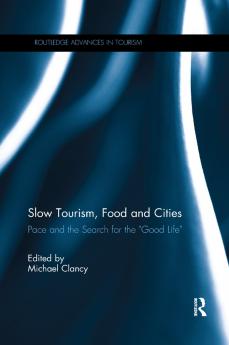
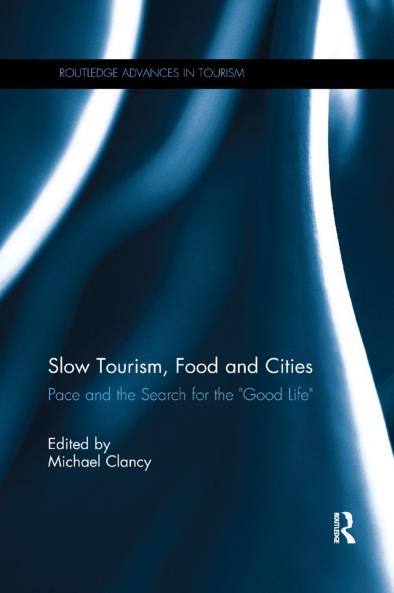
Pace and the Search for the "Good Life"
Eng




₹5653
₹6398
11.64% OFF
(All inclusive*)
Paperback
Delivery Options
Please enter pincode to check delivery time.
*COD & Shipping Charges may apply on certain items.
Review final details at checkout.
Looking to place a bulk order? SUBMIT DETAILS
Delivery Options
Please enter pincode to check delivery time.
*COD & Shipping Charges may apply on certain items.
Review final details at checkout.
About The Book
Description
Author
<p>Slow Food began in the late 1980s as a response to the spread of fast food establishments and as a larger statement against globalization and the perceived deterioration of modern life. Since then slow practices have permeated into other areas including cities and territories and travel and tourism.</p><p>This book provides an in-depth examination of slow food tourism and cities demonstrating how these elements are intertwined with one other as part of the modern search for the good life. Part 1 locates the slow concept within the larger social setting of modernity and investigates claims made by the slow movement examining aesthetic and instrumental values inherent to it. Part 2 explores the practices and places of slow containing both conceptual and empirical chapters in Italy the birthplace of the movement. Part 3 provides a comparative perspective by examining the practices in Spain the UK Germany and Canada.</p><p>Slow Tourism Food and Cities offers key theoretical insights and alternative perspectives on the varying practices and meanings of slow from a cultural sociological and ethical perspective. It is a valuable text for students and scholars of sociology geography urban studies social movements travel and tourism and food studies.</p>

Piracy-free

Assured Quality

Secure Transactions

Fast Delivery

Sustainably Printed
Details
ISBN 13
9780367245283
Publication Date
-05-03-2019
Pages
-264
Weight
-380 grams
Dimensions
-156x234x14.163000000000002 mm
