

English


Hardback
₹6353
₹6607
3.84% OFF
(All inclusive*)
Delivery Options
Please enter pincode to check delivery time.
*COD & Shipping Charges may apply on certain items.
Review final details at checkout.
Looking to place a bulk order? SUBMIT DETAILS
Delivery Options
Please enter pincode to check delivery time.
*COD & Shipping Charges may apply on certain items.
Review final details at checkout.
About The Book
Description
Author(s)
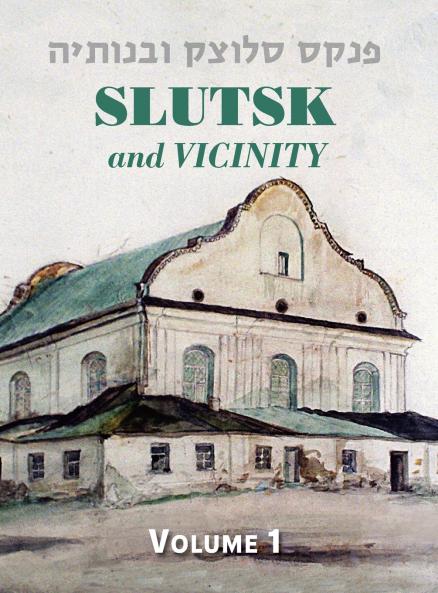
<p>Slutsk is a town in central Belarus about 60 miles south of Minsk. It was<span style=background-color: rgba(255 255 255 1); color: rgba(0 0 0 1)> noted for its pleasant forests vegetable gardens and splendid fruit orchards and its produce was renowned throughout Russia. About 10000 Jews lived there at the turn of the 20</span><sup style=background-color: rgba(255 255 255 1); color: rgba(0 0 0 1)>th</sup><span style=background-color: rgba(255 255 255 1); color: rgba(0 0 0 1)> century a number that declined in the 1920s after the Russian revolution when the Soviets took control.</span></p><p><span style=background-color: rgba(255 255 255 1); color: rgba(0 0 0 1)>The book paints a vivid picture of the town through a description of its peoples' professions and occupations: </span>the tanners and foresters the artisans and craftsmen the water carriers the shoemakers and carpenters the <em>Plikers</em>&nbsp;(poor women who earned their livelihood by plucking feathers at the slaughterhouse) and the woman at Chanukah time weighing out a bit of&nbsp;<em>griben</em>&nbsp;spread on bread for a few small coins.</p><p>Slutsk was also known as one of the centers of the struggle against Ḥasidism. It was a stronghold of the Mitnaggedim opponents of the Hasidim who many regarded as heretical. </p><p>The beginning of its decline took place immediately after the First World War. With the outbreak of the Great Revolution in Russia gangs of Polish soldiers attacked cities and towns carried out pogroms murdered robbed and abused defenseless Jewish inhabitants. Later the Bolsheviks took control and apart from bringing distress and hunger to the Jews living in the cities destroyed much of what was part of their way of life.</p><p>A chapter on Soviet rule describes how traders merchants and small handicraftsmen were declassed under Bolshevik rule. Stores were emptied because private trade was marked for liquidation. Almost all the synagogues and houses of study were converted into amusement places theaters movie houses or warehouses for grain and merchandise.</p><p>The final blow was the Holocaust. There were about 12000 Jews in Slutsk and its region at the start of World War II among them refugees from Poland who came in 1939 according to the book. The German occupation began in June 1941. In November of that year a Lithuanian military detachment summarily shot many Jews. In 1942 Jews were locked into two ghettoes. One ghetto was liquidated in May 1942 and the other in November.</p><p></p><p></p>

Piracy-free

Assured Quality

Secure Transactions

Fast Delivery

Sustainably Printed
Details
ISBN 13
9781962054140
Publication Date
-15-01-2025
Pages
-538
Weight
-1404 grams
Dimensions
-216x280x30.16 mm
