


English





Hardback
₹14632
₹17016
14.01% OFF
(All inclusive*)
Delivery Options
Please enter pincode to check delivery time.
*COD & Shipping Charges may apply on certain items.
Review final details at checkout.
Looking to place a bulk order? SUBMIT DETAILS
Delivery Options
Please enter pincode to check delivery time.
*COD & Shipping Charges may apply on certain items.
Review final details at checkout.
About The Book
Description
Author
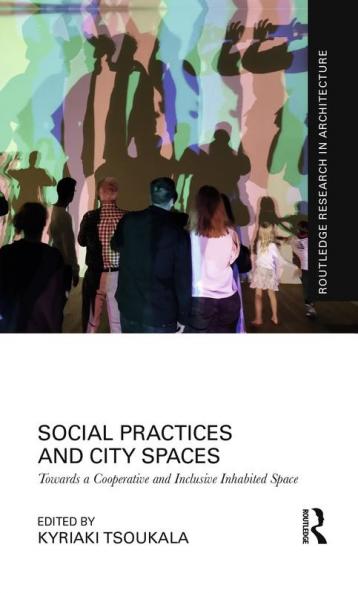
<p>This book examines the relationship between social practices and built space focusing on current cooperative/participative and posthuman approaches to its production and management. From a social-cultural-and-ecological perspective it explores the modes of engagement of all factors in the constitutional processes of inhabited space.</p><p>Throughout this interdisciplinary collection built space is reconsidered in the light of other schools of thought such as philosophy anthropology social sciences and political theories and practices. It covers new ground at conceptual epistemic and methodological levels focusing on inhabited space from within the framework of globalisation biopolitics cultural changes environmental crisis and new technologies. Organised into three parts Parts 1 and 2 focus on the role of architects in the emergence of a new ethos for habitation as well as the modalities of the inclusion of differences in design discussing the importance of participation and narrative at a theoretical and practical level in architecture. In the third part the chapters delve into questions regarding the intersection of design ecology and technoscience in a posthuman approach which might support the inclusion of differences in design and the emergence of a new environmental ethos.</p><p>Providing a stimulating landscape of arguments and challenges to new readings of architecture society and the environment this book will be of interest to researchers students and professionals of architecture urban planning anthropology and philosophy.</p>

Piracy-free

Assured Quality

Secure Transactions

Fast Delivery

Sustainably Printed
Details
ISBN 13
9781032562322
Publication Date
-07-11-2023
Pages
-254
Weight
-458 grams
Dimensions
-156x234x15.05 mm
