

English


₹8306
(All inclusive*)
Paperback
Delivery Options
Please enter pincode to check delivery time.
*COD & Shipping Charges may apply on certain items.
Review final details at checkout.
Looking to place a bulk order? SUBMIT DETAILS
Delivery Options
Please enter pincode to check delivery time.
*COD & Shipping Charges may apply on certain items.
Review final details at checkout.
About The Book
Description
Author
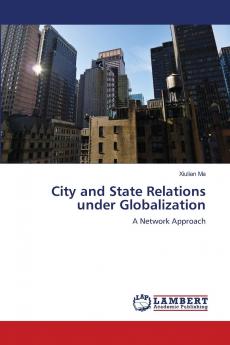
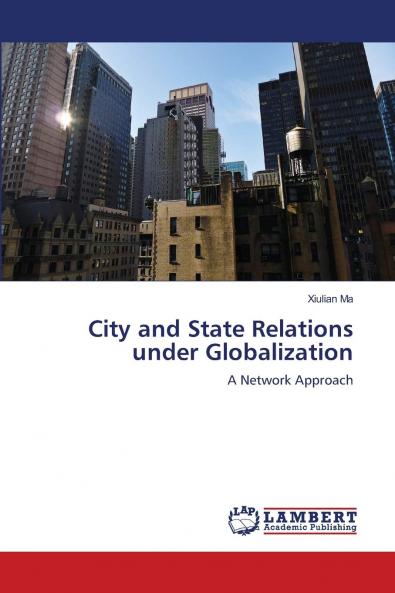
The conventional state-centered view holds that the modern world is organized through a framework of nation-state. But recently accelerated globalization has led to an alternative notion that cities are replacing nation-states as the basic organizing units of the world. This research examines three research questions concerning city and state relations under globalization. First as cities become more globally central will they stop contributing to their nations’ economic growth or even impede that growth? Second will world cities weaken ties with their national urban systems as they strengthen ties with other world cities? Third is there an increased structural slippage between the world-city system and the world system? Quantitative evidences from a relational/network approach finds the divergence in economic interests between a world city and its nation world cities’ growing disconnection with their national companions in a neoliberal economy and the diminishing ability of the world-system to structure the world city hierarchy. It concludes that a relatively unified interest of global capital is significantly deconstructing the territorial basis of the nation-states.

Piracy-free

Assured Quality

Secure Transactions

Fast Delivery

Sustainably Printed
Details
ISBN 13
9783659153518
Publication Date
-26-07-2012
Pages
-224
Weight
-310 grams
Dimensions
-152x229x12.61 mm
