

English


₹4477
(All inclusive*)
Paperback
Delivery Options
Please enter pincode to check delivery time.
*COD & Shipping Charges may apply on certain items.
Review final details at checkout.
Looking to place a bulk order? SUBMIT DETAILS
Delivery Options
Please enter pincode to check delivery time.
*COD & Shipping Charges may apply on certain items.
Review final details at checkout.
About The Book
Description
Author
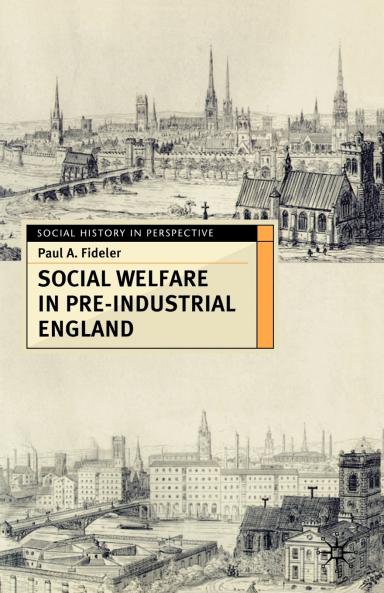
Crossing period boundaries separating late medieval early modern and long eighteenth-century England Paul A. Fideler offers a coherent overview of parish-centered social welfare from its medieval roots through its institutionalisation in the Elizabethan Poor Law to its demise in the early years of the Industrial Revolution.The study:- Incorporates the latest scholarship- Weaves together social economic demographic medical political religious and ideological history- Offers fresh treatments of the contextual importance of Christian moral theology in the fourteenth and fifteenth centuries humanist and protestant thought in the sixteenth century and neo-Stoic benevolence and political arithmetic in the seventeenth and eighteenth centuries- Explores two competing approaches to social welfare: societas (voluntary rooted in custom and tradition) and civitas (mandatory embedded in policy and law)- Concludes with a detailed examination of the first histories of social welfare in England undertaken in the late eighteenth century

Piracy-free

Assured Quality

Secure Transactions

Fast Delivery

Sustainably Printed
Details
ISBN 13
9780333688953
Publication Date
-05-12-2005
Pages
-273
Weight
-326 grams
Dimensions
-140x216x14.68 mm
