

English


Paperback
₹3860
₹4706
17.98% OFF
(All inclusive*)
Delivery Options
Please enter pincode to check delivery time.
*COD & Shipping Charges may apply on certain items.
Review final details at checkout.
Looking to place a bulk order? SUBMIT DETAILS
Delivery Options
Please enter pincode to check delivery time.
*COD & Shipping Charges may apply on certain items.
Review final details at checkout.
About The Book
Description
Author
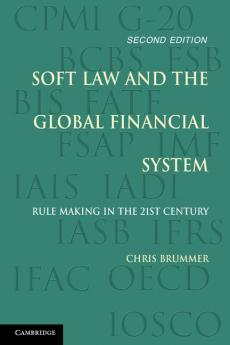
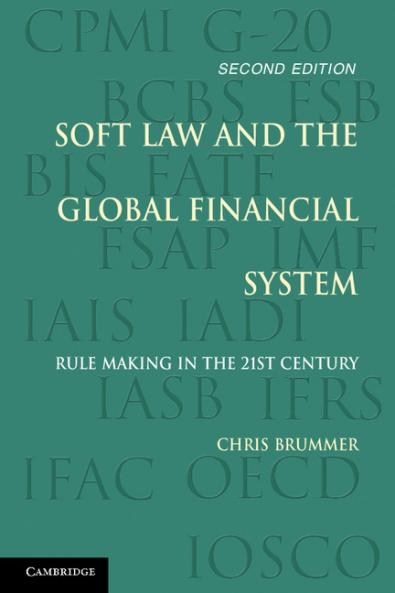
This book explains how international financial law ''works'' - and presents an alternative theory for understanding its purpose operation and limitations. Drawing on a close institutional analysis of the post-crisis financial architecture it argues that international financial law is more coercive than classical theories of international law predict.

Piracy-free

Assured Quality

Secure Transactions

Fast Delivery

Sustainably Printed
Details
ISBN 13
9781107569447
Publication Date
-01-10-2015
Pages
-368
Weight
-498 grams
Dimensions
-152x229x19.36 mm
