


This Book is Out of Stock!
English


Paperback
₹423
₹475
10.95% OFF
(All inclusive*)
Delivery Options
*COD & Shipping Charges may apply on certain items.
Review final details at checkout.
Looking to place a bulk order? SUBMIT DETAILS
*COD & Shipping Charges may apply on certain items.
Review final details at checkout.
₹423
₹475
10% OFF
Paperback
Out Of Stock
All inclusive*
About The Book
Description
Author(s)
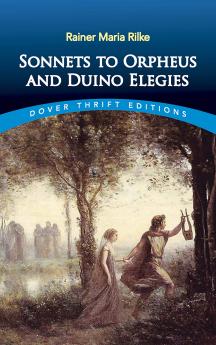
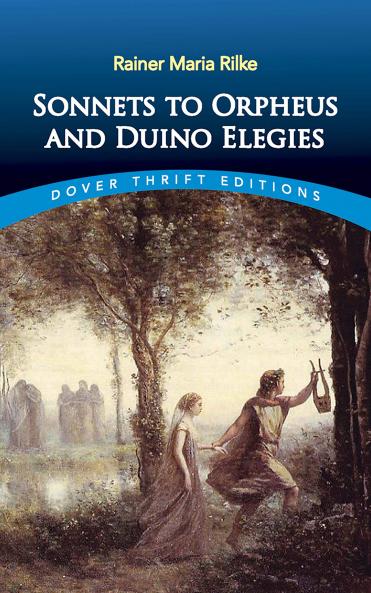
During three feverish weeks in 1922 Rainer Maria Rilke composed the 55 sonnets that constitute <i>Sonnets to Orpheus</i>. Inspired by the death of a friend's daughter the poet felt that he was being compelled to write by the girl's ghost. At about the same time he also completed <i>Duino Elegies </i>which he had begun ten years earlier. Intimately connected to the <i>Sonnets</i> in themes and sensibilities the <i>Elegies </i>offer meditations on love death God and life's meaning that express Rilke's irresolvable conflict between a longing for solitude and a painful loneliness. <br> Although his poetry was recognized and admired by leading European artists the Austro-Bohemian poet was virtually unknown during his lifetime achieving international acclaim only with these final masterpieces. This edition presents translations by Jessie Lemont praised by London's <i>Times Literary Supplement</i> for their presentation of Rilke as a writer of short individual lyrics often of incomparable impressionist vividness plastic vitality and symbolic suggestiveness.

Piracy-free

Assured Quality

Secure Transactions

Fast Delivery

Sustainably Printed
Details
ISBN 13
9780486838670
Publication Date
-15-01-2020
Pages
-112
Weight
-90 grams
Dimensions
-129.5x203.2x7.15 mm
