

Eng


₹13554
₹18452
26.54% OFF
(All inclusive*)
Hardback
Delivery Options
Please enter pincode to check delivery time.
*COD & Shipping Charges may apply on certain items.
Review final details at checkout.
Looking to place a bulk order? SUBMIT DETAILS
Delivery Options
Please enter pincode to check delivery time.
*COD & Shipping Charges may apply on certain items.
Review final details at checkout.
About The Book
Description
Author
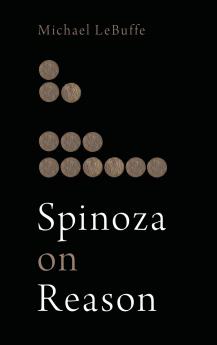
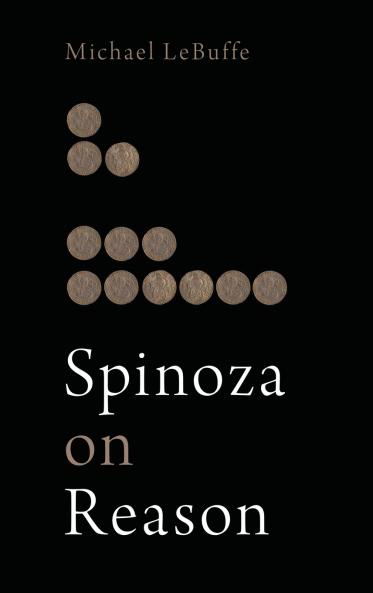
In his work on metaphysics Spinoza associates reasons with causes or explanations. He contends that there is a reason for whatever exists and whatever does not exist. In his account of the human mind Spinoza makes reason a peculiarly powerful kind of idea and the only source of our knowledge of objects in experience. In his moral theory Spinoza introduces dictates of reason which are action-guiding prescriptions. In politics Spinoza suggests that reason with religion motivates cooperation in society. Reason shapes Spinoza's philosophy and central debates about Spinoza-including his place in the history of philosophy and in the European Enlightenment-turn upon our understanding of these claims. <p/><em>Spinoza on Reason</em> starts with striking claims in each of these areas which Michael LeBuffe draws from Spinoza's two great works the <em>Ethics</em> and the <em>Theological Political Treatise</em>. The book takes each characterization of reason on its own terms explaining the claims and their historical context. While acknowledging the striking variety of reason's roles LeBuffe emphasizes the extent to which these different doctrines build upon one another. The result is a rich understanding of the meaning and function of each claim and in the book's conclusion an overview of the contribution of reason to the systematic coherence of Spinoza's philosophy.<br>

Piracy-free

Assured Quality

Secure Transactions

Fast Delivery

Sustainably Printed
Details
ISBN 13
9780190845803
Publication Date
-06-10-2017
Pages
-236
Weight
-434 grams
Dimensions
-156x234x14.29 mm
