

English


₹7183
₹8436
14.85% OFF
(All inclusive*)
Paperback
Delivery Options
Please enter pincode to check delivery time.
*COD & Shipping Charges may apply on certain items.
Review final details at checkout.
Looking to place a bulk order? SUBMIT DETAILS
Delivery Options
Please enter pincode to check delivery time.
*COD & Shipping Charges may apply on certain items.
Review final details at checkout.
About The Book
Description
Author(s)
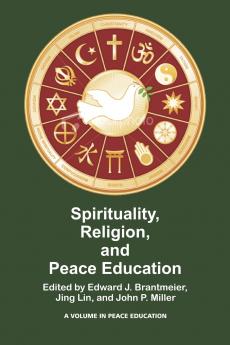
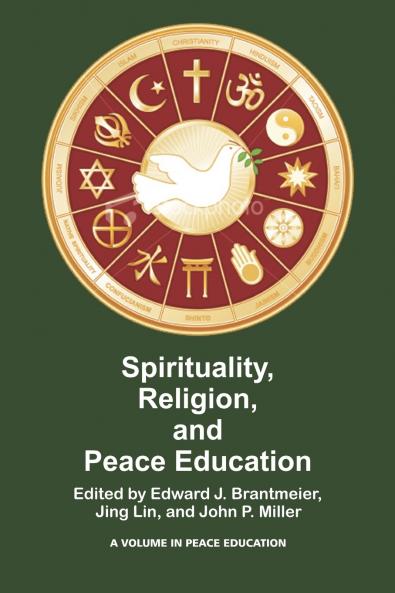
A volume in Peace EducationSeries Editors Ian Harris University of Wisconsin Milwaukee Edward J. Brantmeier Colorado StateUniversity and Jing Lin University of MarylandSpirituality Religion and Peace Education attempts to deeply explore the universal andparticular dimensions of education for inner and communal peace. This co-edited book contains fifteenchapters on world spiritual traditions religions and their connections and relevance to peacebuilding andpeacemaking. This book examines the teachings and practices of Confucius of Judaism Islamic SufismChristianity Quakerism Hinduism Tibetan Buddhism and of Indigenous spirituality. Secondly itexplores teaching and learning processes rooted in self discovery skill development and contemplativepractices for peace. Topics in various chapters include: the Buddhist practice of tonglen; an indigenousHawaiian practice of Ho'oponopono for forgiveness and conflict resolution; pilgrimage and labyrinthwalking for right action; Twelve Step Programs for peace; teaching from a religious/spiritual perspective;narrative inquiry Daoism and peace curriculum; Gandhi deep ecology and multicultural peace education in teacher education; peacemaking andspirituality in undergraduate courses; and wisdom-based learning in teacher education. Peace education practices stemming from wisdom traditionscan promote stillness as well as enliven awaken and urge reconciliation connection wisdom cultivation and transformation and change in bothteachers and students in diverse educational contexts.In various chapters of this book a critique of competition consumerism and materialism undergird the analysis. More than just a critiquesome chapters provide both conceptual and practical clarity for deeper engagement in peaceful action and change in society. Cultural awareness andunderstanding are fostered through a focus on the positive aspects of wisdom traditions rather than the negative aspects and historical complexities ofviolence and conflict as result of religious hegemony.

Piracy-free

Assured Quality

Secure Transactions

Fast Delivery

Sustainably Printed
Details
ISBN 13
9781617350580
Publication Date
-21-06-2010
Pages
-316
Weight
-451 grams
Dimensions
-156x234x16.79 mm
