


English


Hardback
₹17222
₹21752
20.83% OFF
(All inclusive*)
Delivery Options
Please enter pincode to check delivery time.
*COD & Shipping Charges may apply on certain items.
Review final details at checkout.
Looking to place a bulk order? SUBMIT DETAILS
Delivery Options
Please enter pincode to check delivery time.
*COD & Shipping Charges may apply on certain items.
Review final details at checkout.
About The Book
Description
Author
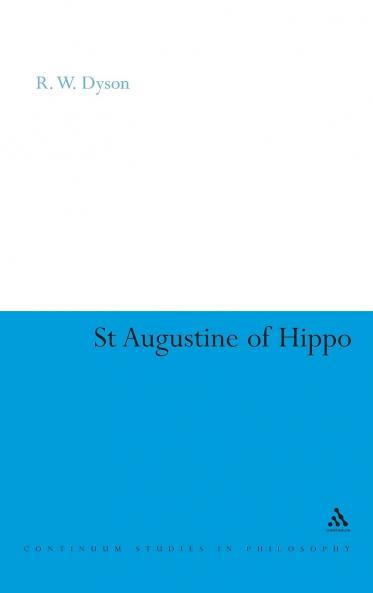
St Augustine of Hippo was the earliest thinker to develop a distinctively Christian political and social philosophy. He does so mainly from the perspective of Platonism and Stoicism; but by introducing the biblical and Pauline conceptions of sin grace and predestination he radically transforms the 'classical' understanding of the political. Humanity is not perfectible through participation in the life of a moral community; indeed there are no moral communities on earth. Humankind is fallen; we are slaves of self-love and the destructive impulses generated by it. The State is no longer the matrix within which human beings can achieve ethical goods through co-operation with other rational and moral beings. <br/><br/><br/><br/><br/><br/><br/><br/><br/><br/>Augustine's response to classical political assumptions and claims therefore transcends 'normal' radicalism. His project is not that of drawing attention to weaknesses and inadequacies in our political arrangements with a view to recommending their abolition or improvement. Nor does he adopt the classical practice of delineating an ideal State. To his mind all States are imperfect: they are the mechanisms whereby an imperfect world is regulated. They can provide justice and peace of a kind but even the best earthly versions of justice and peace are not true justice and peace. It is precisely the impossibility of true justice on earth that makes the State necessary.<br/><br/><br/><br/><br/><br/><br/><br/><br/><br/>Robert Dyson's new book describes and analyses this 'transformation' in detail and shows Augustine's enormous influence upon the development of political thought down to the thirteenth century.

Piracy-free

Assured Quality

Secure Transactions

Fast Delivery

Sustainably Printed
Details
ISBN 13
9780826485885
Publication Date
-21-11-2006
Pages
-205
Weight
-391 grams
Dimensions
-155.96x233.93x12.53 mm
