

English


Hardback
₹16589
(All inclusive*)
Delivery Options
Please enter pincode to check delivery time.
*COD & Shipping Charges may apply on certain items.
Review final details at checkout.
Looking to place a bulk order? SUBMIT DETAILS
Delivery Options
Please enter pincode to check delivery time.
*COD & Shipping Charges may apply on certain items.
Review final details at checkout.
About The Book
Description
Author
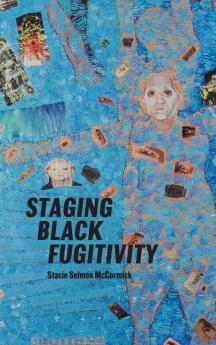
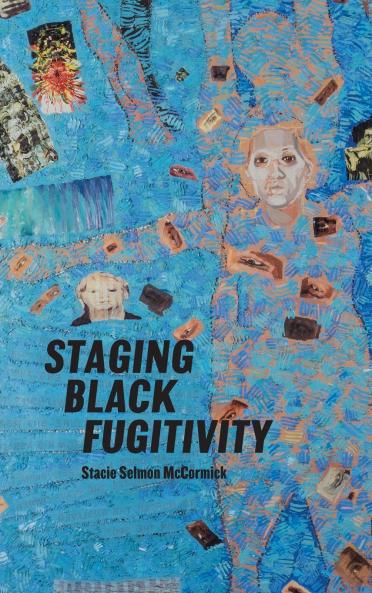
<div><i>Staging Black Fugitivity</i>&nbsp;asks: How does drama constitute an important site for ongoing conversations about slavery's resonance and its legacies? To answer this question Stacie Selmon McCormick charts the historical turn toward slavery in black drama that began in the last quarter of the twentieth&nbsp;century. This movement spearheaded by August Wilson and Suzan-Lori Parks has been largely under-theorized yet it participates in and advances the neo-slave narrative genre-with contemporary black dramas enhancing the neo-slave narrative's capacity to represent the visual corporal and affective dimensions of the black body and slavery as an institution.<br> &nbsp;<br> McCormick traces the innovative ways that artists render slavery for present-day audiences. The dramas assembled in this book approach slavery from myriad perspectives-afrofuturist feminist and queer-in order to produce new imaginaries that offer more complex depictions of black experience. Through subverting notions of time race gender and familiar histories of slavery themselves the dramas under discussion produce&nbsp;<i>performances of fugitivity</i>-subversive radical and experimental performances of black artistic and political freedom at the site of slavery.<br> &nbsp;</div>

Piracy-free

Assured Quality

Secure Transactions

Fast Delivery

Sustainably Printed
Details
ISBN 13
9780814214053
Publication Date
-09-09-2019
Pages
-178
Weight
-338 grams
Dimensions
-152x229x14.29 mm
