



English





Hardback
₹14849
₹18368
19.16% OFF
(All inclusive*)
Delivery Options
Please enter pincode to check delivery time.
*COD & Shipping Charges may apply on certain items.
Review final details at checkout.
Looking to place a bulk order? SUBMIT DETAILS
Delivery Options
Please enter pincode to check delivery time.
*COD & Shipping Charges may apply on certain items.
Review final details at checkout.
About The Book
Description
Author
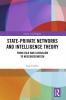
<p>This book examines the United States neoconservative movement arguing that its support for the 2003 invasion of Iraq was rooted in an intelligence theory shaped by the policy struggles of the Cold War.<br> <br>The origins of neoconservative engagement with intelligence theory are traced to a tradition of labour anti-communism that emerged in the early 20th century and subsequently provided the Central Intelligence Agency with key allies in the state-private networks of the Cold War era. Reflecting on the break-up of Cold War liberalism and the challenge to state-private networks in the 1970s the book maps the neoconservative response that influenced developments in United States intelligence policy counterintelligence and covert action. With the labour roots of neoconservatism widely acknowledged but rarely systematically pursued this new approach deploys the neoconservative literature of intelligence as evidence of a tradition rooted in the labour anti-communist self-image as allies rather than agents of the American state.<br> <br>This book will be of great interest to all students of intelligence studies Cold War history United States foreign policy and international relations.</p>

Piracy-free

Assured Quality

Secure Transactions

Fast Delivery

Sustainably Printed
Details
ISBN 13
9780367612054
Publication Date
-17-06-2022
Pages
-232
Weight
-428 grams
Dimensions
-156x234x13.92 mm
