

English


Paperback
₹2871
₹3442
16.59% OFF
(All inclusive*)
Delivery Options
Please enter pincode to check delivery time.
*COD & Shipping Charges may apply on certain items.
Review final details at checkout.
Looking to place a bulk order? SUBMIT DETAILS
Delivery Options
Please enter pincode to check delivery time.
*COD & Shipping Charges may apply on certain items.
Review final details at checkout.
About The Book
Description
Author
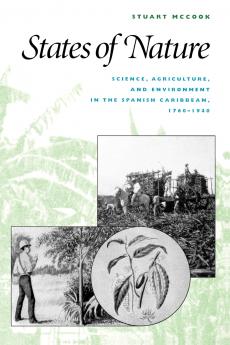
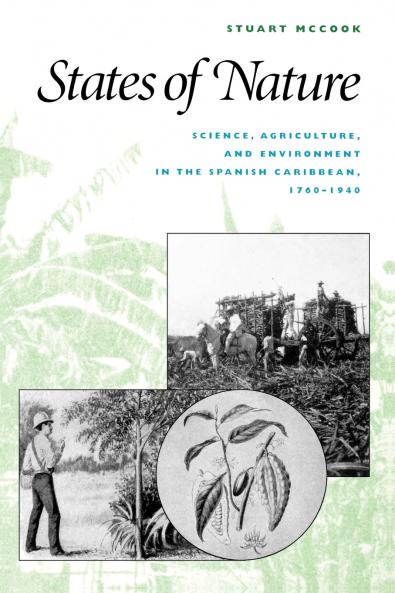
<p>The process of nation-building in Latin America transformed the relations between the state the economy and nature. Between 1760 and 1940 the economies of most countries in the Spanish Caribbean came to depend heavily on the export of plant products such as coffee tobacco and sugar. After the mid-nineteenth century this model of export-led economic growth also became a central tenet of liberal projects of nation-building. As international competition grew and commodity prices fell over this period Latin American growers strove to remain competitive by increasing agricultural production. By the turn of the twentieth century their pursuit of export-led growth had generated severe environmental problems including soil exhaustion erosion and epidemic outbreaks of crop diseases and pests.</p> <p>This book traces the history of the intersections between nature economy and nation in the Spanish Caribbean through a history of the agricultural and botanical sciences. Growers and governments in Venezuela Puerto Rico Cuba Colombia and Costa Rica turned to scientists to help them establish practical and ideological control over nature. They hoped to use science to alleviate the pressing environmental and economic stresses without having to give up their commitment to export-led growth. Starting from an overview of the relationship among science nature and development throughout the export boom of 1760 to 1930 Stuart McCook examines such topics as the relationship between scientific plant surveys and nation-building the development of a creole science to address the problems of tropical agriculture the ecological rationalization of the sugar industry and the growth of technocratic ideologies of science and progress. He concludes with a look at how the Great Depression of the 1930s changed the paradigms of economic and political development and the role of science and nature in these paradigms.</p>

Piracy-free

Assured Quality

Secure Transactions

Fast Delivery

Sustainably Printed
Details
ISBN 13
9780292752573
Publication Date
-01-05-2002
Pages
-216
Weight
-299 grams
Dimensions
-152x229x12.53 mm
