


English


Paperback
₹999
₹1057
5.49% OFF
(All inclusive*)
Delivery Options
Please enter pincode to check delivery time.
*COD & Shipping Charges may apply on certain items.
Review final details at checkout.
Looking to place a bulk order? SUBMIT DETAILS
Delivery Options
Please enter pincode to check delivery time.
*COD & Shipping Charges may apply on certain items.
Review final details at checkout.
About The Book
Description
Author(s)
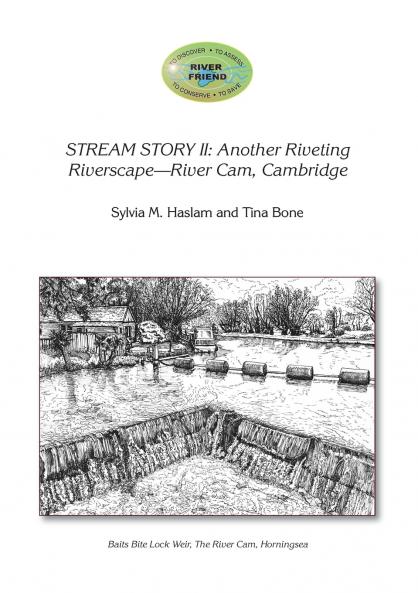
<p>Is this booklet about another riveting riverscape? Yes indeed. Remove the hills and magic of the River Brue (Somerset) add Denver Sluice and the Roman Lodes and the River Cam is just as riveting! Both rivers were major waterways for boat transport and both had many water mills-most initially for milling grain into flour but later diversifying greatly when the workforce was considerably diminished by the Black Death which killed up to half the population in the 1340s. The River Cam drains a large area of the East Midlands much of which is food-producing agricultural lowlands. The most southward stream rises only a few miles north of Stansted Airport. There are a surprising number of rivers with sources within about 8 miles of this airport. Surprising because the land is neither mountain nor wetland nor an area of many springs. Downstream of Cambridge the River Cam shortly flows into The Fenland where it stays for most of its journey to the sea at King's Lynn after joining the River Great Ouse at Pope's Corner a few miles from Ely. The Fenland is a former wetland the soil being mostly fen peat which is dead wet plant material and grows under water. Because the water is mostly run-off from the agricultural lowland it is fairly high in nutrients with some chalk upstream so is the peat. Fen peat thus differs from bog peat which is fed by nutrient/calcium-poor rain and is built up on land not under water. </p><p></p>

Piracy-free

Assured Quality

Secure Transactions

Fast Delivery

Sustainably Printed
Details
ISBN 13
9781916209695
Publication Date
-08-12-2025
Pages
-88
Weight
-119 grams
Dimensions
-148x210x6.07 mm
