



English



Hardback
₹13236
₹16590
20.22% OFF
(All inclusive*)
Delivery Options
Please enter pincode to check delivery time.
*COD & Shipping Charges may apply on certain items.
Review final details at checkout.
Looking to place a bulk order? SUBMIT DETAILS
Delivery Options
Please enter pincode to check delivery time.
*COD & Shipping Charges may apply on certain items.
Review final details at checkout.
About The Book
Description
Author
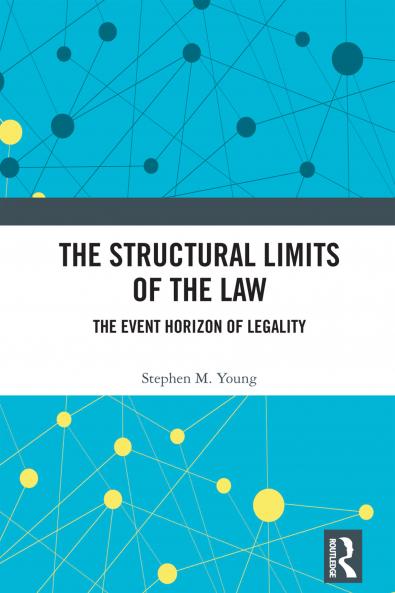
<p>This book examines how in response to crises law tends to construct singular ‘events’ that obscure the underlying structural causes that any adequate response needs to acknowledge and address. </p><p>Litigation is the main legal process that constructs events through a narrative that describes what happened and prescribes what should happen. Courts are theatres with competing stories and intense controversies. The legal event is compelling. But through the examination of several cases from a range of jurisdictions this book argues that the ability to construct and reconstruct legal events is so strong appealing and powerful that it limits our ability to engage in structural analysis. The difficulty of seeing beyond what is here called ‘the event horizon of legality’ interprets aspects of life as exceptional rather than structural as it focuses attention on a limited range of possible causes and so a limited range of possible interventions. So if issues like famine obesity poverty a rising cost of living and climate change are even partially produced through non-eventful modalities of power like colonialism imperialism or global capitalism then as this book analyzes the event horizon of legality can only ensure that those issues continue. The book therefore calls for a critical re-evaluation of the role of law in shaping our representation of and response to crises; and so for a rethinking of the power and promise of law. </p><p>This original analysis of the operation of law will appeal to sociolegal scholars and legal theorists as well as others working in relevant areas in critical and social theory.</p>

Piracy-free

Assured Quality

Secure Transactions

Fast Delivery

Sustainably Printed
Details
ISBN 13
9781032775814
Publication Date
-11-07-2024
Pages
-206
Weight
-392 grams
Dimensions
-156x234x12.58 mm
