

English


₹3181
₹4098
22.38% OFF
(All inclusive*)
Paperback
Delivery Options
Please enter pincode to check delivery time.
*COD & Shipping Charges may apply on certain items.
Review final details at checkout.
Looking to place a bulk order? SUBMIT DETAILS
Delivery Options
Please enter pincode to check delivery time.
*COD & Shipping Charges may apply on certain items.
Review final details at checkout.
About The Book
Description
Author
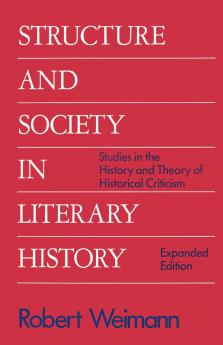
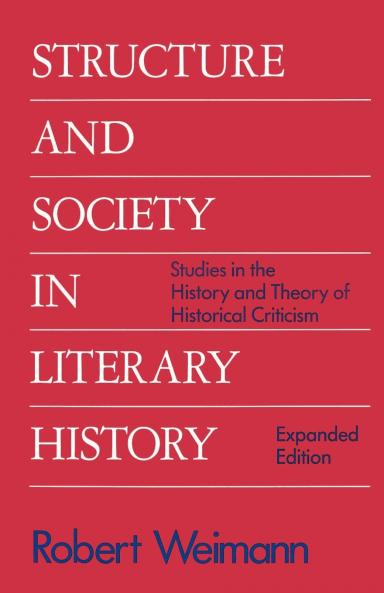
In Structure and Society in Literary History Robert Weimann one of Germany's leading literary theoreticians raises important questions about the social function of literature and sketches the outlines of a new historical criticism. <P>Weinmann's Marxist analysis relates the history of writing and reading to the history of social and economic activities; literature and art are imaginative appropriations of the world producers as well as products of culture. Aesthetic structures-- texts-- and social function are necessarily interrelated for Weimann as they are not for the followers of the New Criticism or the practitioners of structuralism. <P>Firmly grounded in Anglo-American and Western European criticism Weimann presents a cogent critique of T. S. Eliot's concept of tradition analyzes the development of American literary history and reconsiders the interpretation of Shakespeare's imagery. A new concluding chapter written especially for the Johns Hopkins edition presents a coherent and systematically developed survey of those poststructuralist positions most relevant to the placement of Structure and Society in Literary History within the critical context of the mid 1980s.

Piracy-free

Assured Quality

Secure Transactions

Fast Delivery

Sustainably Printed
Details
ISBN 13
9780801831225
Publication Date
-19-12-1984
Pages
-344
Weight
-406 grams
Dimensions
-140x216x19.51 mm
