

English


Paperback
₹8530
(All inclusive*)
Delivery Options
Please enter pincode to check delivery time.
*COD & Shipping Charges may apply on certain items.
Review final details at checkout.
Looking to place a bulk order? SUBMIT DETAILS
Delivery Options
Please enter pincode to check delivery time.
*COD & Shipping Charges may apply on certain items.
Review final details at checkout.
About The Book
Description
Author
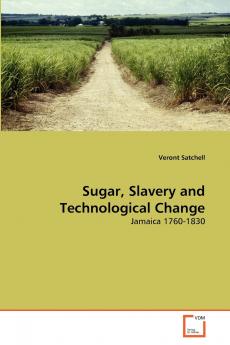
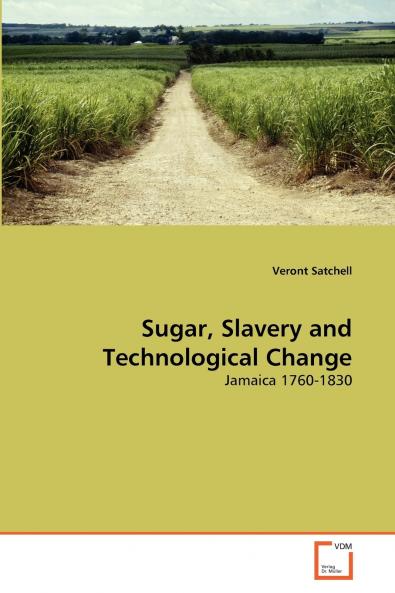
Sugar Slavery and Technological Change Jamaica 1760-1830 examines a generally held view that slavery and technological change were incompatible. The work argues that the available evidence do not support this incompatibility thesis. Jamaican Sugar planters were not altogether apathetic to change; neither were the enslaved people obstacles to technological change. From the cultivation of the sugar cane through to its manufacturing into sugar new and improved techniques were evident. The most revolutionary changes were in the milling stage with the introduction of the horizontal three-roller sugar cane mill the original design of which was for a Jamaican planter and steam power. Contrary to generally held view Jamaican planters pioneered the use of steam power in the sugar cane manufacturing process. That innovations aimed at improving the final product were scant if not absent was more a consequence of British mercantile policy which prohibited the colonies from refining their sugar than planter conservatism.

Piracy-free

Assured Quality

Secure Transactions

Fast Delivery

Sustainably Printed
Details
ISBN 13
9783639206920
Publication Date
-18-11-2010
Pages
-284
Weight
-388 grams
Dimensions
-150x220x15.19 mm
