

English


₹10321
(All inclusive*)
Paperback
Delivery Options
Please enter pincode to check delivery time.
*COD & Shipping Charges may apply on certain items.
Review final details at checkout.
Looking to place a bulk order? SUBMIT DETAILS
Delivery Options
Please enter pincode to check delivery time.
*COD & Shipping Charges may apply on certain items.
Review final details at checkout.
About The Book
Description
Author
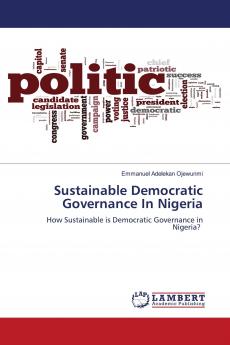
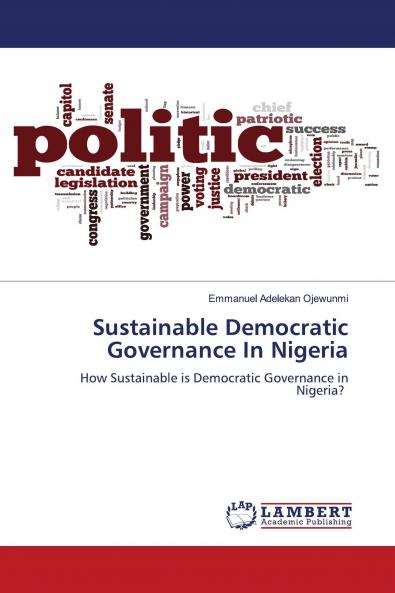
Democratic governance means exercising state power with the people's consent. Also democratic governance gives every citizen a say in how decisions are made in their state affairs. For any democratic governance to be good and sustainable it must have the characteristics of accountability and transparency. Meanwhile the political system of Nigeria was developed to manage social diversity in a political economy based on oil natural resources. Nigeria's political structures were built on the politics of managing diversity and allocating resources among the regions. The country's federal system has created tension between how much power is worked from the center and how much gets to the constituent states and local governments. This book therefore considered how Nigeria's democratic governance can be sustained since all attributes of good governance are largely non-existent. Nigeria's governance has been embedded with corruption bad governance/leadership non-transparency poor conduction of elections and so on. It is on this note that this book gives some suggestions on how governance can be people-oriented and how they can enjoy the dividends of democracy.

Piracy-free

Assured Quality

Secure Transactions

Fast Delivery

Sustainably Printed
Details
ISBN 13
9786208225131
Publication Date
-06-11-2024
Pages
-516
Weight
-657 grams
Dimensions
-150x220x27.11 mm
